Virginia Sin’s Porcelain Paper Plate
The New York ceramicist behind the homeware brand SIN rose to viral fame for turning the disposable plates of her childhood into porcelain dishware.
October 13, 2026
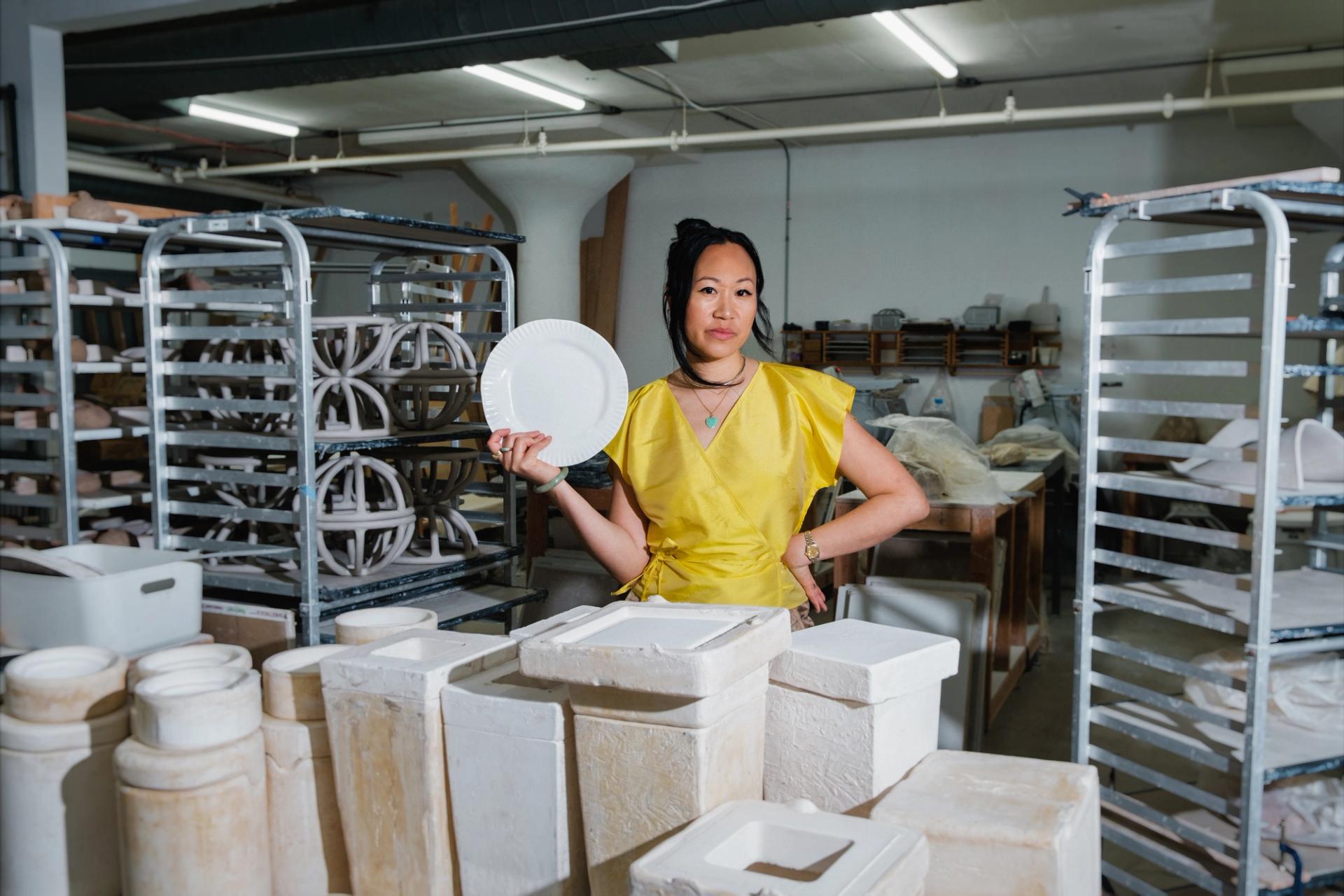
In 2007, as the ceramicist Virginia Sin was just beginning to get her business off the ground, she landed an early viral design hit—almost before such a thing really existed. It was a piece she called the Porcelain Paper Plate (opens in new window), a ceramic rendering of the classic crimped-edge picnic staple. Sin’s dishwasher-safe version came slightly warped, as if it had already suffered the weight of hefty macaroni salad.
In the nearly two decades since then, Sin has had many winning designs beyond the Paper Plate. Her brand, SIN, has become well-known for its neutral homeware made from woven slabs and extruded ropes of clay. But late last year, after the plate made a slight resurgence in pop culture, she decided to reissue the design that started it all.
The Porcelain Paper Plate was the first product Sin created in her Williamsburg, Brooklyn, studio, back when she was still day-jobbing in advertising. While elevating the utilitarian into art can be kitschy (gold-plated tape dispensers, say) or hackneyed (endless ceramic bodega coffee cups), Sin’s plate read more as a quiet, almost devotional act of preservation. Perhaps that’s because her inspiration ran deeper than creating permanence from a mass-produced throwaway; it was rooted in childhood memories.
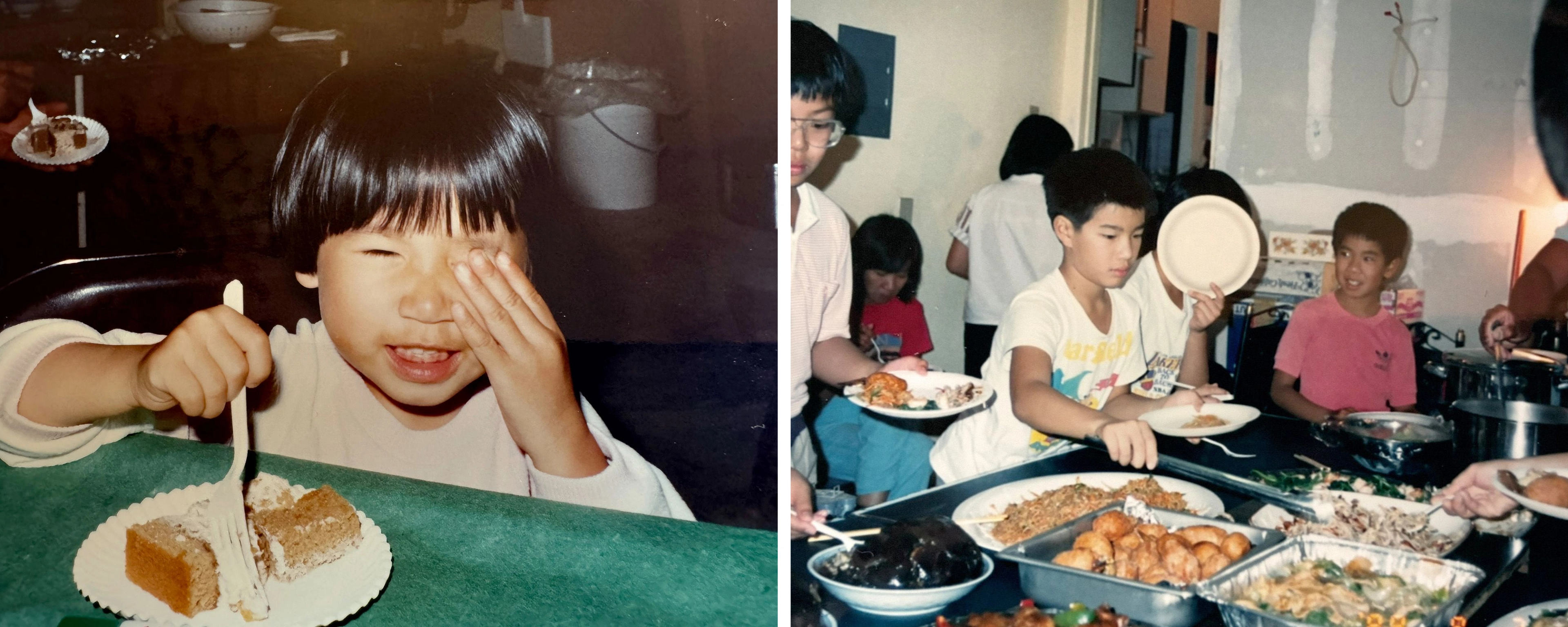
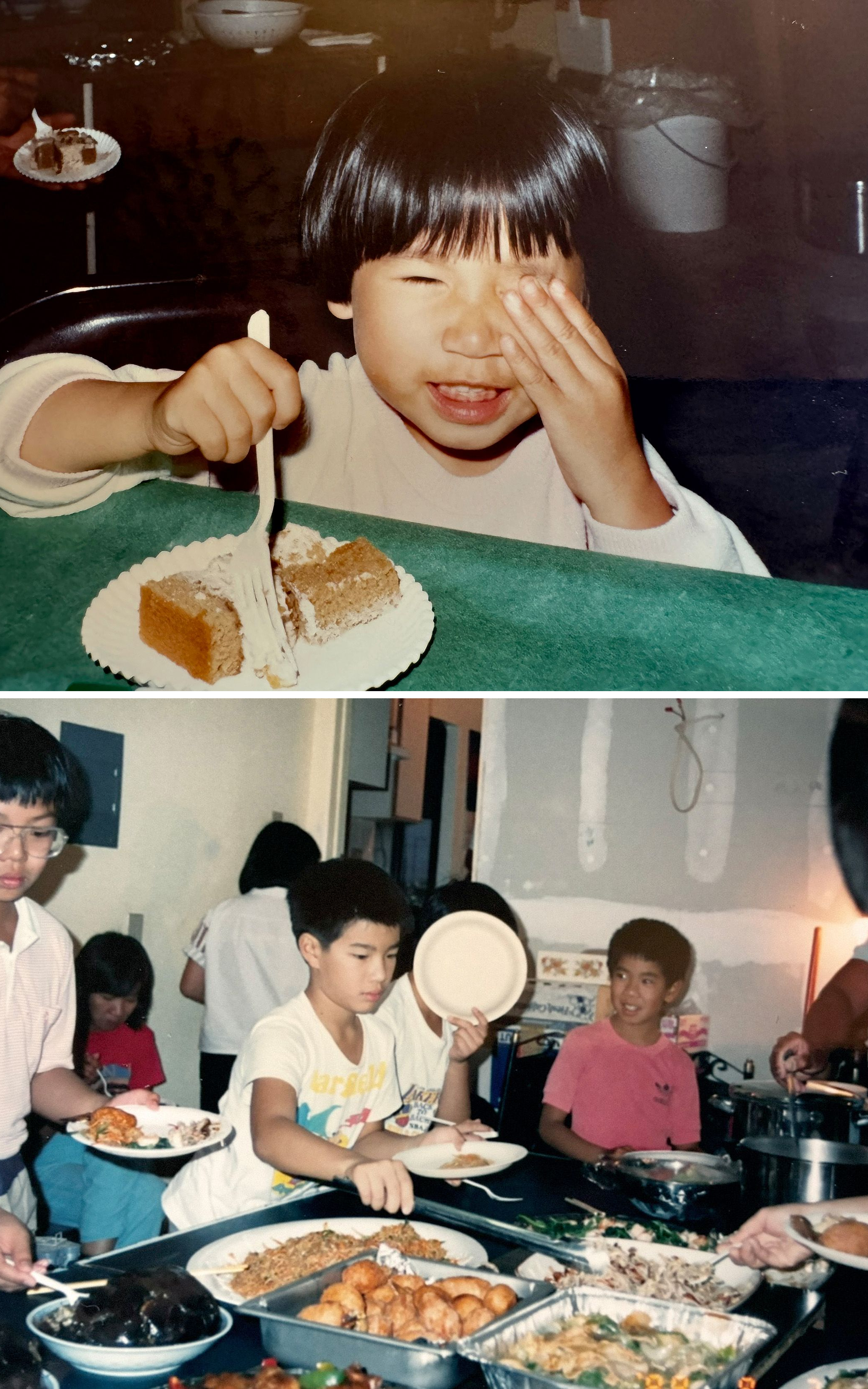
Sin family potlucks.
Credit: Courtesy of Virginia Sin“I’m Chinese American, Cantonese specifically. And, growing up, we’d go over to my grandparents’ on the weekends, and we would just do these epic potlucks, where my aunties and uncles would work on these very elaborate Chinese home-cooked meals,” she said. Her family would spend days making dishes like crab casseroles, mung bean noodles, and stews with lots of herbal, medicinal ingredients, then serve them on “this really shitty disposable serveware.”
That dichotomy stuck with her. “Aesthetics was just not a part of our family, culture, or upbringing,” she said. “Everything is function and practicality. When you’re raised in a communist country, and then during the Cultural Revolution, a lot of them had to leave—it’s just about living from a place of scary scarcity.”
Creating the plate took some experimenting. “I was fascinated with the materiality of paper clay,” she recalled. (Paper clay is a composite of traditional clay and paper, often used by ceramicists who hand-build items, sometimes to strengthen the clay body.) She tried mixing shredded tissue and toilet paper but was unsatisfied with the result, until she had an “oh my God” moment and turned to shredding actual paper plates instead.
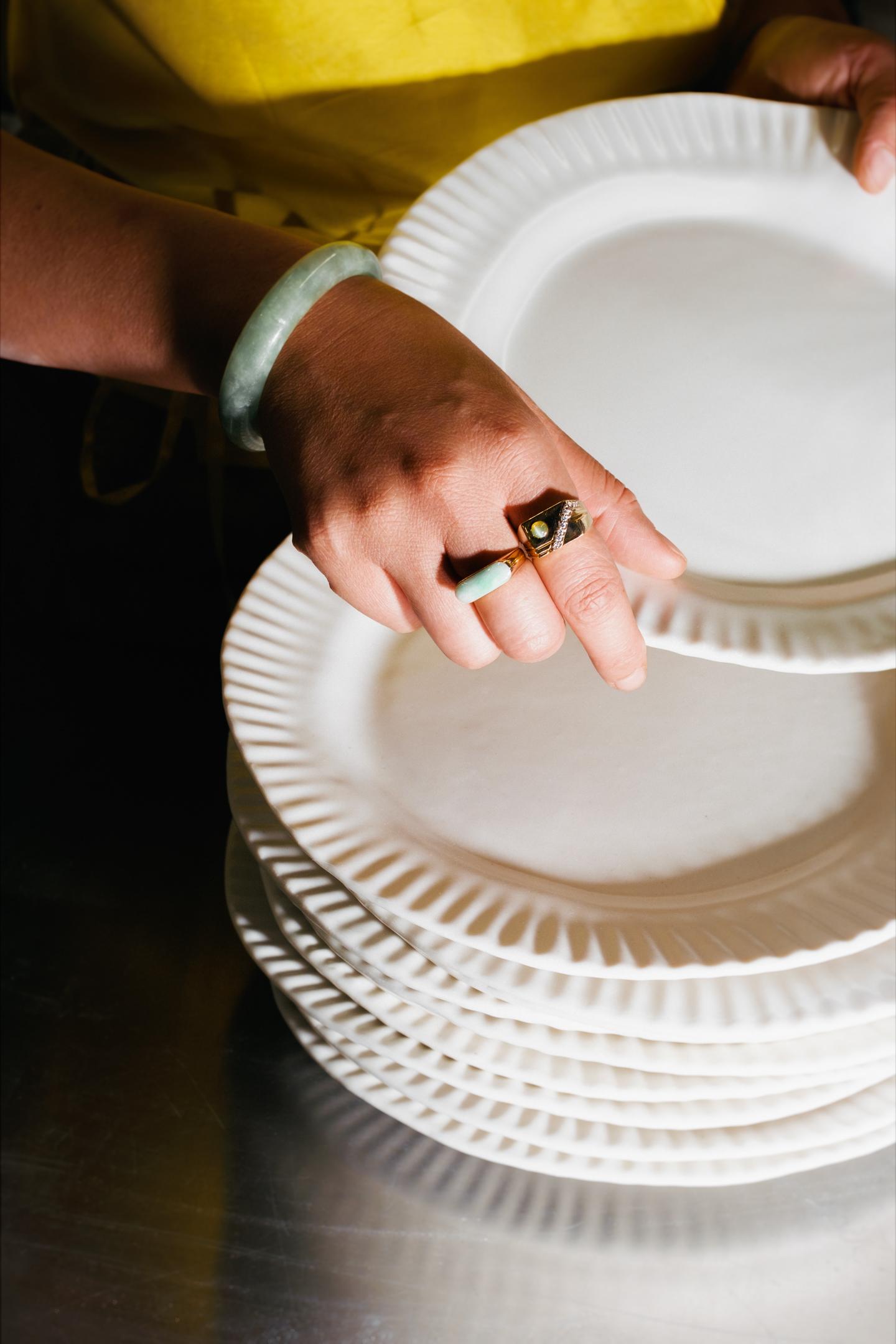
“It felt poetic,” said Sin. “The everyday disposable plate becoming the literal, structural DNA of a lasting porcelain plate. The fibers in paper plates are denser and longer because they’re engineered to hold weight, so they gave the clay a very specific body that allowed me to roll it thinner and shape it more delicately than tissue-based paper clay ever could.”
From there, she poured the paper clay onto a plaster slab and ran it through a roller before draping the clay over a plaster mold to capture the familiar paper-plate form. Then came slow drying to prevent warping, hand-refining the edges, and putting it through a three-step firing process. The result was a piece that, from afar, might appear to be a classic disposable plate that was already a bit bent out of shape, but up close had the sturdiness and sheen of fine dishware. “The irony is that the final plate looks effortless, but getting it there was anything but,” she said.
The Paper Plate’s massive popularity is a story of the early 2000s internet, when it was actually harder to make an impact in the design world, despite there being less internet noise to compete with. Sin submitted images of the plate to Design*Sponge (the type of personal blog that people actually used to visit the home page of), which wrote a post about the plate. There, it caught the attention of some indie boutiques, including the since-closed Clio in SoHo. Soon after, Sin entered the plate into a Design Within Reach contest, where it won a “most sustainable” distinction.
Finally, when the recipe site–cum–tableware retailer Food52 picked up the Paper Plate, the design garnered attention from the James Beard crowd and eventually landed on tables at Eleven Madison Park, chef Daniel Humm’s three-Michelin-starred restaurant in New York City. “It was crazy,” Sin recalled. “People would go to the restaurant, and, like, steal the plates in the middle of eating. They’d be, like, midcourse, and then throw one in their Birkin bag. It’s kind of hilarious … they’re stealing, but [the restaurant had to keep] reordering them, which was great for our business.”
The buzz around the plate gradually died down as SIN started leaning into the aesthetics it’s now known for: slabs of wavy, unglazed clay that create bookends, candelabras, and light fixtures. But when the design made a surprise appearance in the final scenes of the 2022 film The Menu, it found an audience again. Sin had no idea until friends texted her asking if it was in fact her plate in the movie.
Sin set about reissuing the plate last year. She was finally able to afford the equipment to bring the manufacturing in-house at SIN, allowing her to improve the design: It’s no longer made with porcelain paper clay, just clay, making it more chip resistant. In the process, she also meditated further on the design’s meaning. Although Sin’s grandparents have passed, the Paper Plate has helped immortalize their traditions. Now, it also serves as an homage to the beginnings of her brand.
“I think part of the beauty of designing products is that you’re able to kind of capture a memory into a product,” Sin said. “A lot of times, I think my inspiration comes from memories.”