Trevor Paglen and Holly Herndon on Making Art with AI and What the Discourse Is Missing
The artists talk process, slop, and why optimism and pessimism don’t quite cover it.
May 18, 2026
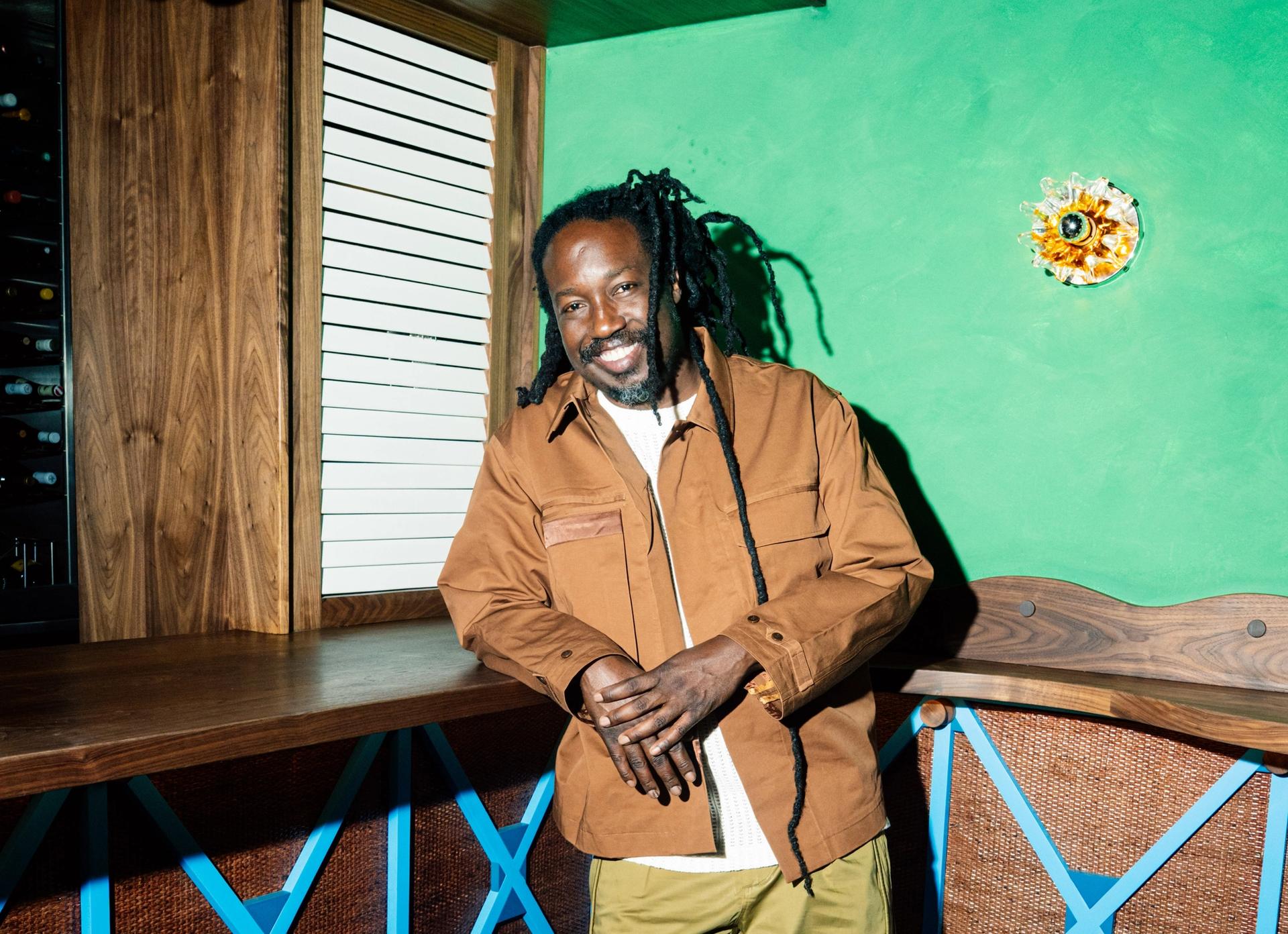
The great subjects of the artist Trevor Paglen’s career have been the surveillance state and what journalists quaintly call “the intelligence community”—he may be best known to the wider world for his cinematography work on the Edward Snowden documentary Citizenfour—so in some sense it was only a matter of time before he MKUltra’ed himself. “I’m doing all these Clockwork Orange–style experiments on my brain while in fMRI machines,” Paglen told me recently as we waited on Zoom for his friend and sometime collaborator, musician and artist Holly Herndon, to sign in. “My team is building this digital model of how my brain responds to images, and then doing highly unethical experiments on it.”
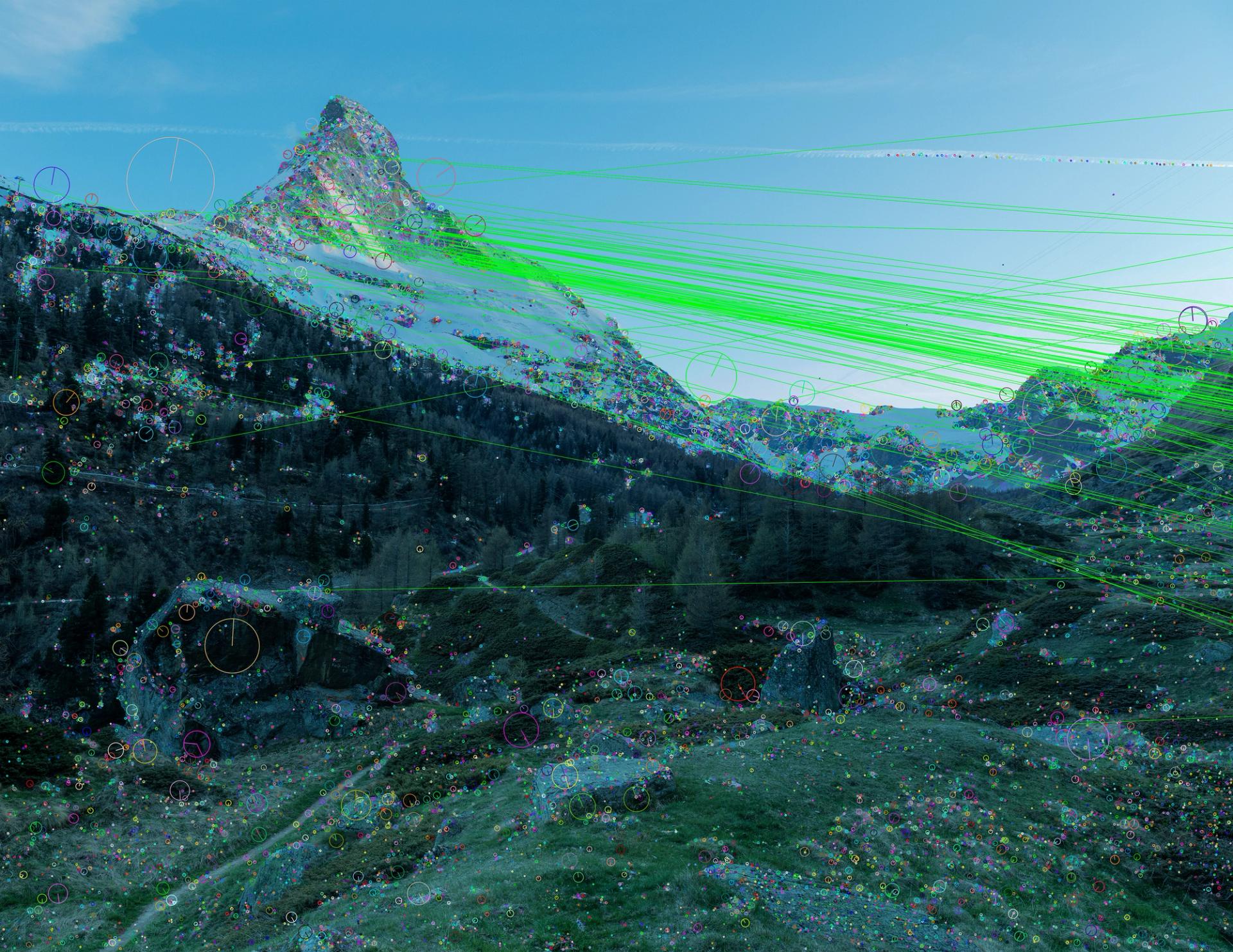
To be interested in surveillance, information, and the CIA, as Paglen is, is to be necessarily interested in the production and consumption of images, on a political, technical, and, yes, neurobiological level. He has photographed classified NSA sites from vast distances, collected fabric patches from the uniforms of various Pentagon units, projected AI training data onto buildings—and written several books, including a new collection of essays, How to See Like a Machine (opens in new window).
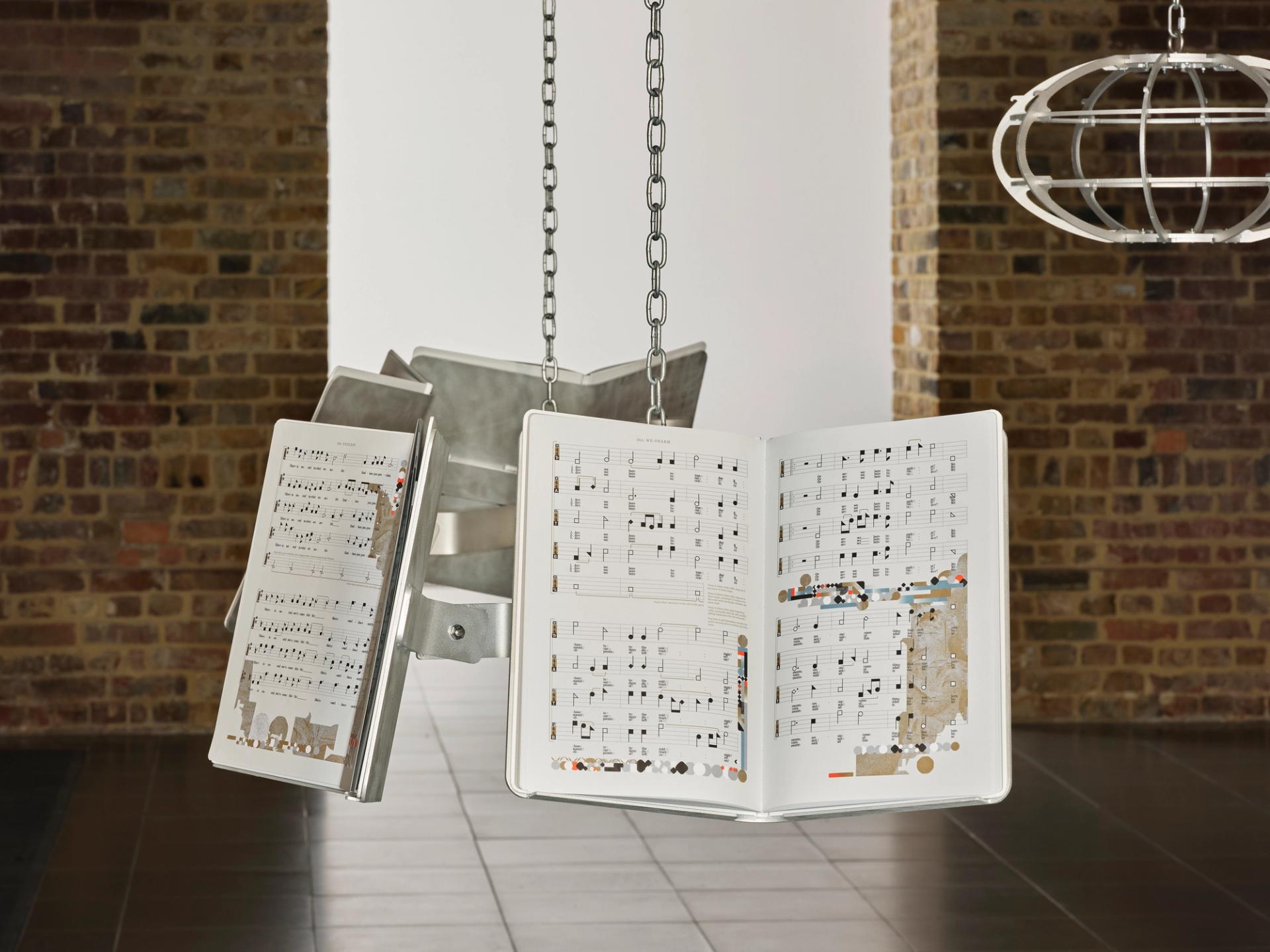
This background has meant that few artists were as well prepared as Paglen to grapple with the past decade of revolutionary advances in machine learning. Few artists except, maybe, Herndon. With her partner and collaborator Mat Dryhurst, she has spent the past decade exploring the possibilities of generative AI across videos, installations, and even albums of pop music. Herndon and Dryhurst’s art is not created by simply pushing buttons. “A lot of people will have just interacted with [AI image and music generators] Midjourney or Suno,” she said, “and in case it’s not clear, that’s not what Trevor and I are doing.” For their newest project, Herndon and Dryhurst trained an AI choral-singing model on 15 community choirs across England; the piece consists not only of the model itself, accessible via a 2024 installation (opens in new window) at the Serpentine Galleries in London, but also a new legal agreement Herndon and Dryhurst helped create to ensure the interests of the contributing singers are protected.
Neither Paglen nor Herndon are AI “skeptics”—they both use the various machine-learning technologies discursively bundled up as “AI” throughout their practices—but neither are they full-blown enthusiasts. So how is it changing their sense of what art is, and how we produce it? In the conversation that follows, I posed that question to them. “I think both Trevor’s practice and ours are looking at infrastructure in a really deep way,” Herndon said. “It was important in the early days, when we were beginning to experiment with this stuff, to see artists we had great respect for, like Trevor, working with it as well. It was like, OK, you’re not crazy—this is a really fruitful area to explore.”
This interview has been edited and condensed for clarity.
How did the two of you meet?
Holly Herndon: I honestly can’t remember. Our studios were around the corner from each other, but is that where we met?
Trevor Paglen: No, we met when I was cutting a video installation while listening to your music. That was right when “Home” came out, and I think I said something on Twitter like, “Oh, I’m using ‘Home’ as a temp track for this installation and it’s super crazy.” And then you were like, “Hey, how’s it going?”
HH: There was this really interesting period—I don’t know the exact dates, but maybe around 2016—where Trevor’s studio, our studio, and Gene Kogan (opens in new window)’s studio were next to each other. Three artists doing early experiments in AI when most people weren’t really playing with it. We would just hang out, eat ramen, and complain about how long everything was taking to render.
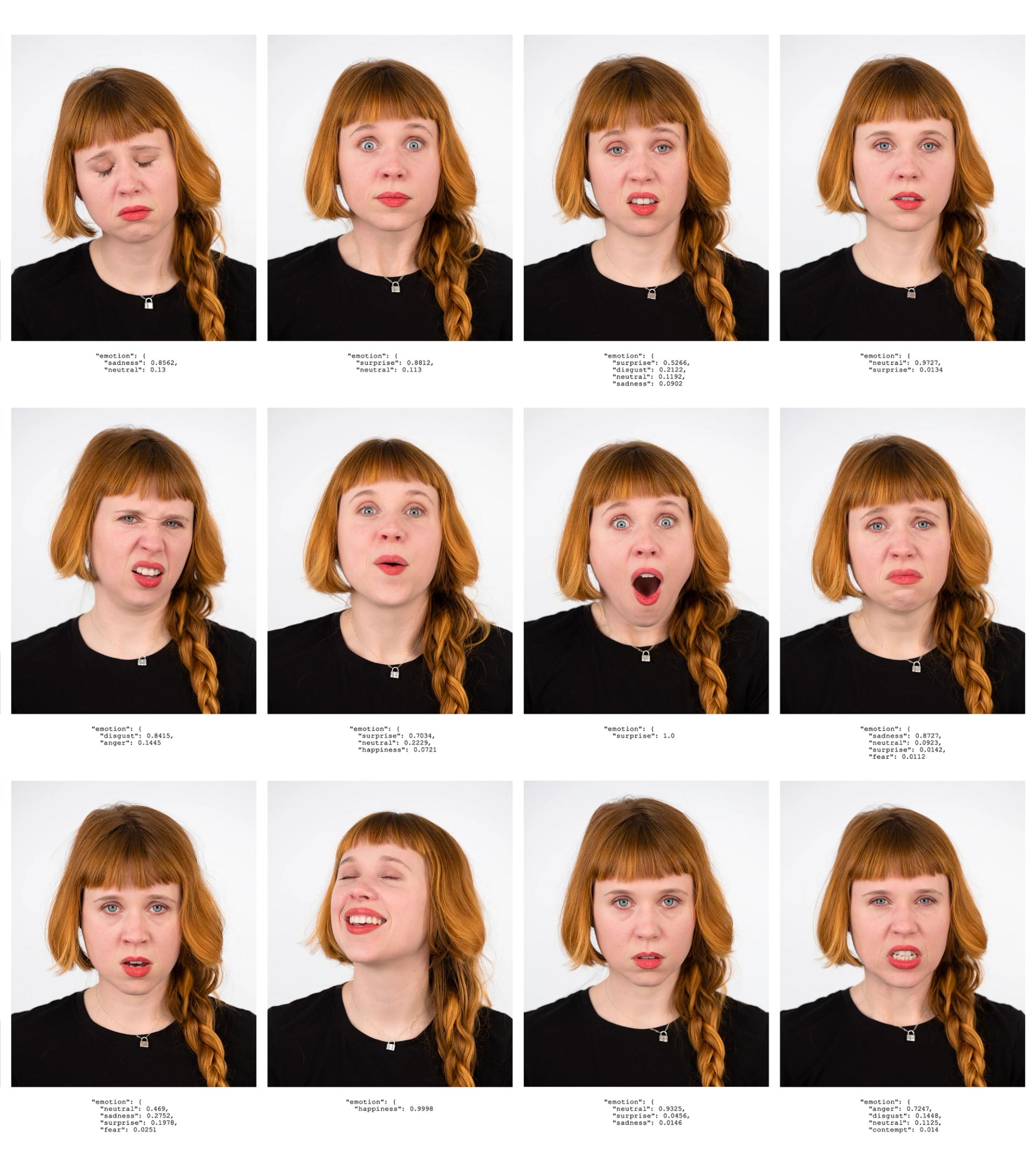
Let me ask about your collaboration Machine Readable Holly (opens in new window)—do you mind describing the work and how it came about?
TP: The premise of the piece is: Let’s take thousands of pictures of portraits and run those through what were, at the time, the cutting-edge face-recognition algorithms. The big features were emotion detection, gender detection, all this stuff that is now more frowned upon—or frowned upon to show publicly. So it was really just a piece showing all these different modalities of classification, some of them purely quantitative—like these are facial key points, and this is their position, and “Holly” is a woman who’s 37 years old and happy.
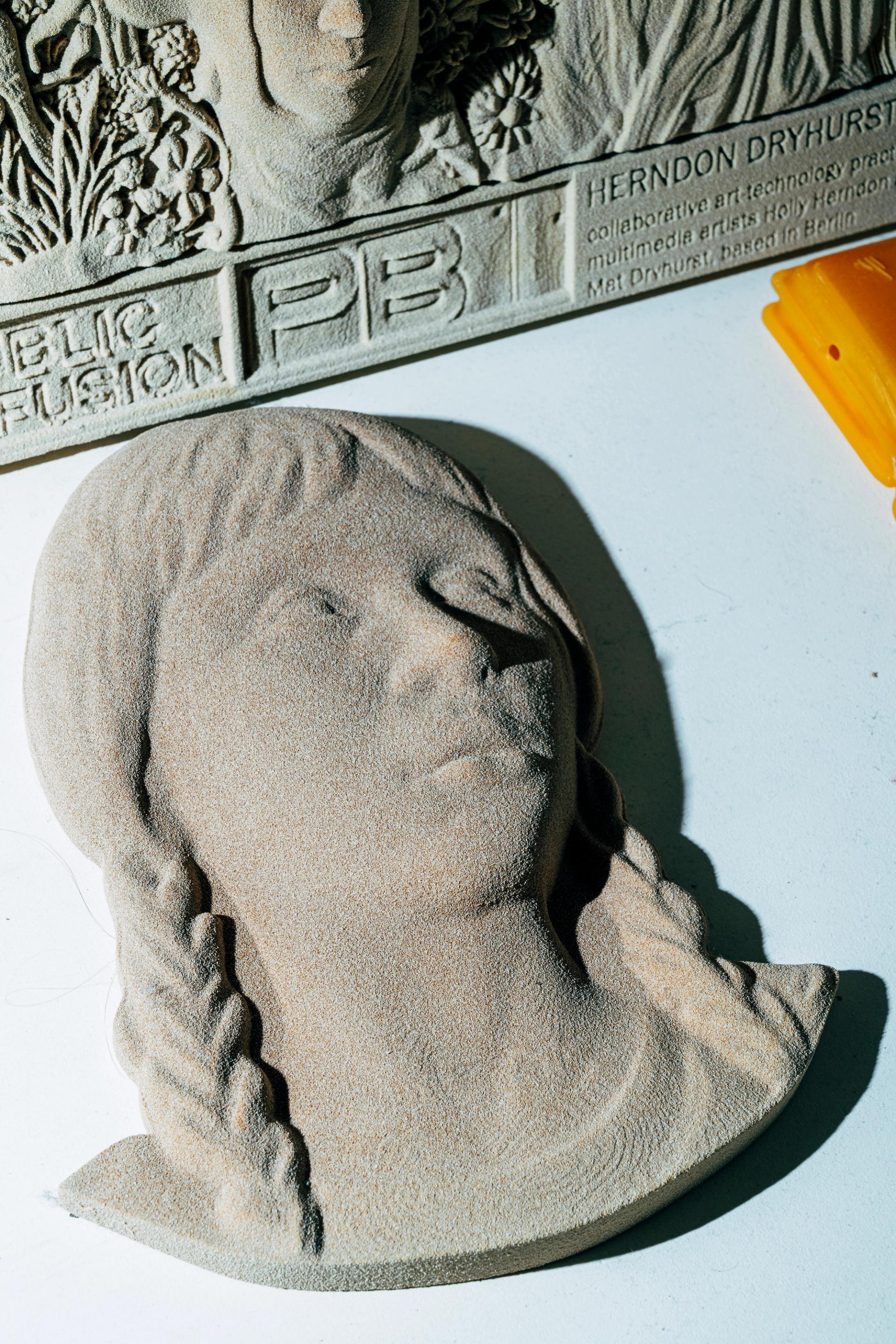
HH: Not that I’m crazy famous, but I’ve reached a certain threshold of public notoriety where I have embeddings in public models. So I’ve played with that quite a bit. What does it mean to be read by a machine? What kind of distortions are there? How can you play with that? What does the public persona mean in comparison to who you are in real life? Who’s your digital avatar? These are really interesting questions, and Trevor was very early to experiment with them.
TP: One of my favorites—I have many favorite works of yours—is xhairymutantx (opens in new window), which you did for the Whitney Biennial, where you’re trying to shape those embeddings.
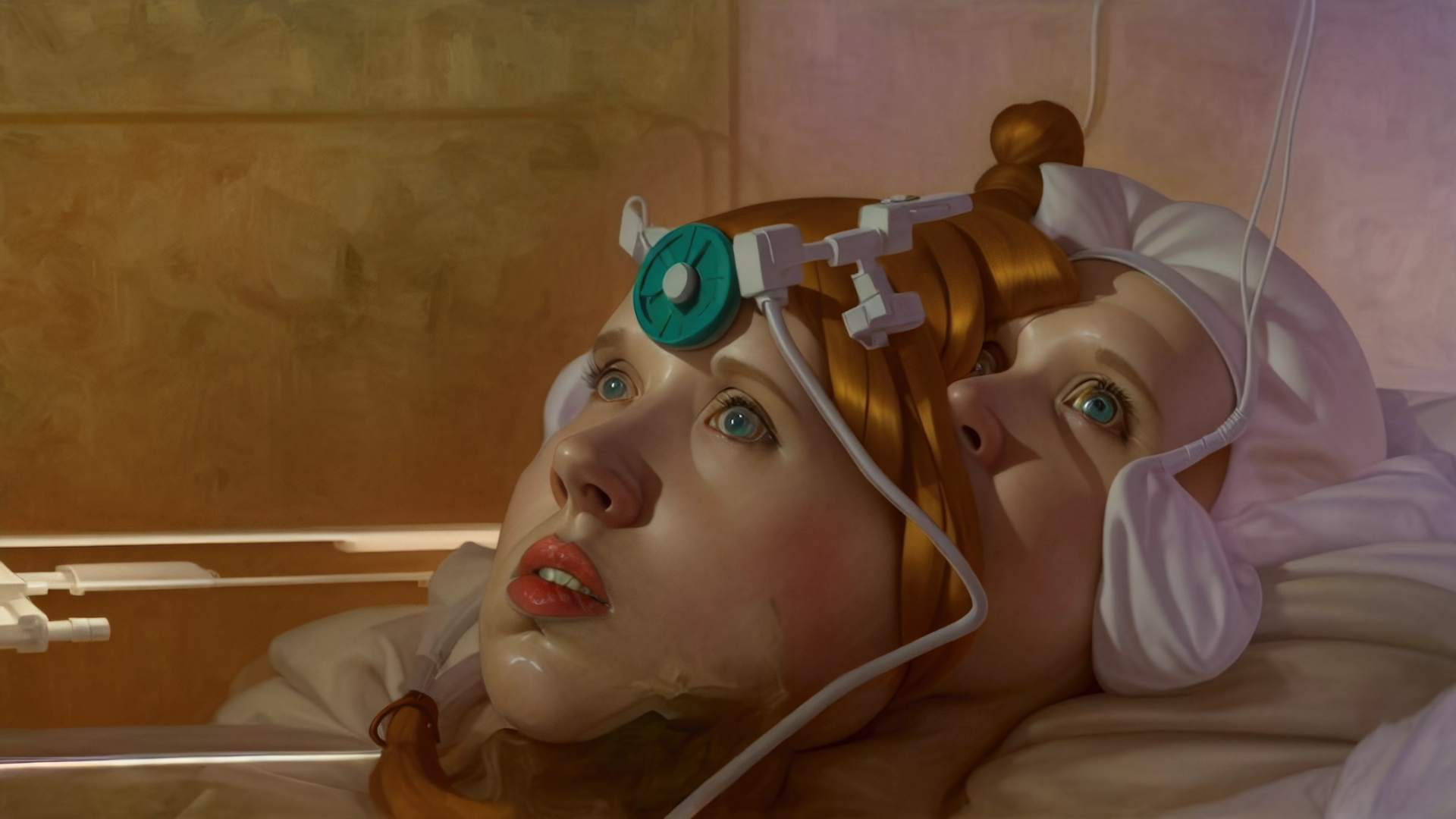
HH: Thank you. It’s a data-poisoning experiment where we tried to understand the essence of my embedding, which is a big orange blob—not a fully realized person, but a kind of pastiche of red hair. So we leaned into that by building a costume and making a kind of superhero character out of it and then making a model from that. We invited the public to prompt it through the Whitney’s artport (opens in new window) space, and each image created through that is then added to this online deluge of images tagged with my name, which then impacts future trainings of how I appear in embeddings.
TP: That piece was really tricky, because you had to have something in the museum, but that’s not really what the artwork was. I think that’s something a lot of us are thinking about: To what extent are the institutions we have now appropriate for showing artworks that deal with spaces that are not physically present?
HH: Yeah, so much of the work is online-native or networked work, and it’s awkward to find the right form in an institution. We actually made a film explaining the project, because you kind of have to walk someone through the whole process so they fully understand the implications of what you’re doing. This is an ongoing challenge—finding the right form.
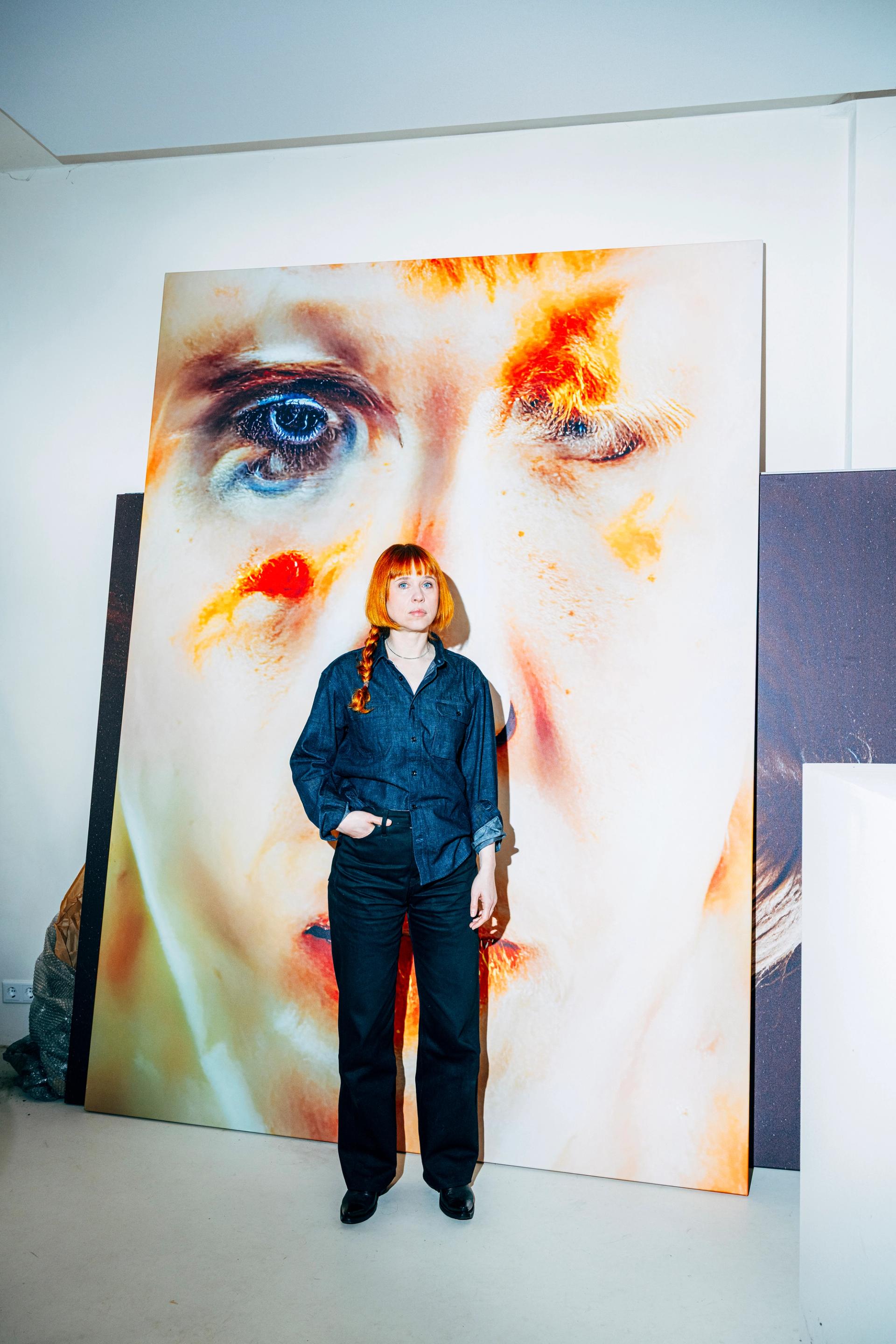
Holly Herndon in her Berlin studio.
Credit: Photograph by Nikita Teryoshin for ToteiHow do you strategize about this? When you sit down with an idea, how do you take it from idea to implementation, and then to that third step of presenting it to a wider world?
HH: I don’t know about you, Trevor, but for me it’s less linear than that. It’s not, “here’s my project, and here is how I find the form to translate it to the public.” It’s more that in the making and in the translating, that is the making of the art. It all happens simultaneously.
For example, with The Call, the exhibition we did for the Serpentine, we wanted to explain the process of training a model. So we drove around the UK and met choirs in their town halls, and we recorded them in a specific way, and then we took all of those recordings and trained a dataset that we used to create new outputs. One of the rooms was dedicated to giving the audience the experience of that training process. We created an object that showed the protocol we used to record people—where people were standing—but it was also an art object, a sculpture in and of itself.
And then we used spatial audio to allow people to feel like they were in those training sessions with the choir, so you could walk in between the tenor and the soprano and feel what it was like to be in that room with people breathing between takes. The process was like, “Okay, we need to make this dataset, but we also want to illustrate it to a visitor. So how do we bring that very real activity that happened in the real world into the gallery space as a beautiful experience?”
TP: For me, it’s partly similar to Holly—making other works that speak to the process of how we’re arriving somewhere. Or making other forms of media around it, like doing interviews or writing articles. Basically putting a bunch of different threads out there that start at different places but lead in a similar direction. If you’re a visual person, you can start here and go through the maze. If you’re a journalist, you can start here.
I have a tendency to overexplain, and people give me shit for that, but I think the more you know about something, the more interesting it is. This idea of, “here’s my artwork and I’m not going to say anything”—that’s for insecure art students who have no real ideas.
HH: Maybe it’s actually helpful to talk a little here about the idea of protocol art. Mat and I are cocurating a show with Hans Ulrich Obrist and Adriana Rispoli from Berggruen [Arts & Culture] around this idea. We’re calling it “Strange Rules.” When I say protocol art, what we’re talking about is that the site of art making is moving upstream of the media generation or the object creation, to a kind of logic or rule set or protocol that then allows the other things to come to fruition.
There are obviously precursors in conceptual art or Fluxus, but this is really recognizing how much creative practices have changed over the last several years with generative AI systems, networked collaboration, and all these things that have impacted the way people create work. Trevor was actually one of the first artists we invited, because we view his work through this lens. So when you say, “What’s the process?,” it’s trying to formulate the protocol, and then all of the artwork flows out of that according to the logic of the protocol.
That’s interesting. It’s like art as tabletop RPG—you have a rule set and a guidebook, and what you do with that is whatever you’re doing.
TP: “Thief comes to a door.”
How are you using AI in your practice these days?
TP: For me, we’re using tons of AI in the studio, but I’m well past the point of showing you an image I made with AI. I don’t care about that. There might be an image generator somewhere in the pipeline, but that’s a way to get a very crude prototype of a direction to go in.
It’s much more on the back end—running experiments, using novel datasets. We can now do in an afternoon what would have taken a year and $100,000 a couple years ago. We’re working a lot with neural data now. I’ve been spending a lot of time in fMRI machines, looking at text and images, and we’ve been slowly building this model that predicts how my brain responds to different kinds of stimuli.
Can I ask the technical question of what your stack looks like?
TP: We’re using Claude Code, basically. We have all these weird datasets, so there’s a lot more to it than that, but the core of it is Claude Code. There are other things we mess around with—like Windsurf or whatever—just to set up different experiments. But there’s no work coming out anytime soon that’s “made with AI.”
Holly, what about you? How does your process compare with Trevor’s?
HH: I’d say it’s changed a lot over the last several years as different architectures and models have become available. A lot of people will have just interacted with Midjourney or Suno, and in case it’s not clear, that’s not what Trevor and I are doing.
A lot of those programs have preprompting under the hood that you’re not seeing. Midjourney has all kinds of tags that make it look a specific way, a kind of beautiful way. Suno has tags you can’t see that make the output always sound “good.” You can’t interact directly with the weights of the model. You’re being confined so the output always sounds quote-unquote “good.” When Trevor and I are working with models, you can get way more gnarly because you have way more granular control. It’s just not being precleaned.
TP: One thing we were both looking at recently is trying to explore pure image space. The question we both asked is: Is every possible image in the universe kind of theoretically contained in a diffusion model? And if so, what can we do with that?
HH: It’s like the astronaut meme (opens in new window)—this image exists; it always did in the manifold. Every combination of pixels is already in the manifold somewhere. You can get really, beautifully psychedelic when thinking about it.
But in terms of workflow, probably the biggest change of the last year has been Claude Code and vibecoding. As cheesy as that terminology is, we’re experimenting on different little software projects that, as Trevor said, would have taken a year before—it would have been like my PhD thesis—and doing it in a day. And that’s nuts. It’s not just nuts for us; it’s nuts for everyone. People can use spoken language to develop software, and that’s huge. I’m super excited to see where it goes.
We’re trying to redesign our studio—reimagine what it looks like as we become orchestrators of a sea of AI agents developing and working on our behalf. That’s not about removing us from the process, or saying we just want an AI that makes art for us. It’s about dramatically increasing our capacities, especially in the software universe.
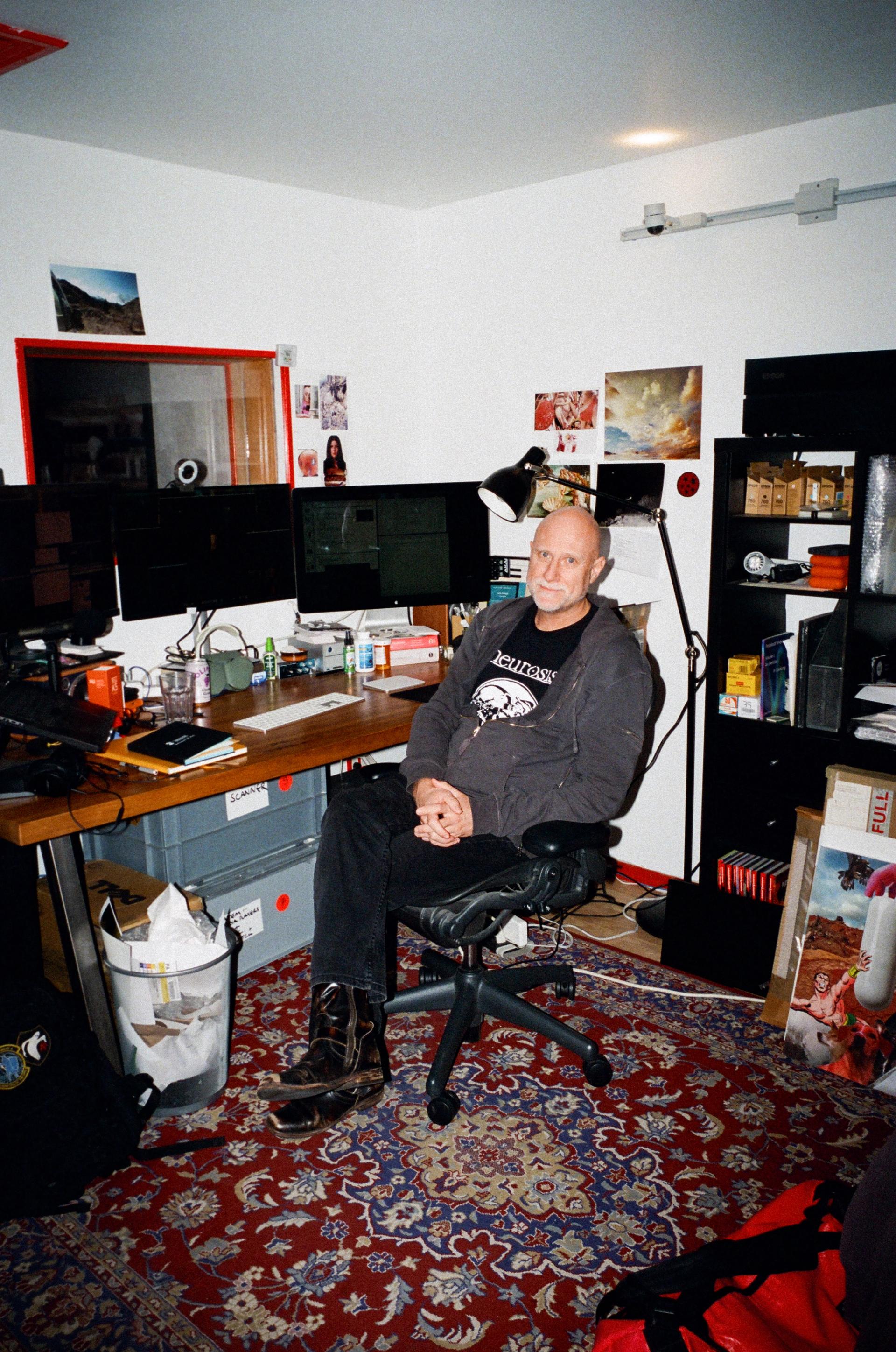
Trevor Paglen in his New York studio.
Credit: Photograph by OK McCausland for ToteiWhat kinds of software do you find yourself building that you wouldn’t have before?
HH: It’s very project-specific. Right now Mat and I are working on a project for the Venice show, “Strange Rules,” that Trevor has a work premiering in as well. Basically, the agents will be listening to the room and gathering context, parsing and arguing with one another over the various ideas being generated within that room, and then developing software according to different missions set in that room.
To communicate that these agents are constantly working, we’re using a mutant version of GibberLink, which is a way for the agents to talk to each other in a musical language. It’ll ultimately sound like birdsong, where they’re chirping and working in the background and pushing code to GitHub at the same time.
For that project, we’re building both the listening system and the logic of the individual agents—the perspective each brings to the arguments—as well as the musical software, which we’re actually writing in SuperCollider, because Claude can write SuperCollider patches, which is really cool.
It just depends on the project. We’re kind of a crazy studio—we’ve never had a studio manager, but as the studio has become more established, our first hire was actually a machine learning developer named Jordan Meyer, who we collaborated with on Spawning (opens in new window). Every day we wake up and he’s like, “Look at this crazy software I built,” and then we think about how to integrate that into artistic practice. So it’s a moment of great change in our studio, in a really exciting way.
Trevor, reading your book I was struck by the extent to which you’re really interested in the embeddedness of AI in currently existing systems—AI from the perspective of consumption. And Holly, it seems to me that you’re more interested in AI as a creative tool, and the way it changes what creativity is and how authorship happens—AI from the perspective of production.
The really crude way of putting it would be that Trevor is maybe a little more pessimistic about AI and Holly is a little more optimistic. Does that ring true? Where do you see your points of departure from one another?
HH: One of the most frustrating parts of the broader AI discourse is that it’s become a culture war. A lot of people like to paint the work Mat and I do as techno-optimism, but a lot of our work is very deeply critical. I think what we enjoy is trying to find solutions or opportunities for how things could function. There’s probably some optimism in that, but—
Or utopianism?
HH: [laughing] That’s even more loaded!
All right, I take it back.
HH: I reject the notion that you can’t be critical and problem-solving at the same time. I think both Trevor’s practice and ours are looking at infrastructure in a really deep way. We just have very different approaches. But I don’t want to oversimplify it by saying optimistic and pessimistic.
TP: One of the striking things in our conversations about the Serpentine piece is that you’re saying, “Look, the most popular hobby in the world is people coming together to sing.” What could be more human than that? But you’re asking, “What is that now?” And making something beautiful out of it.
HH: Sometimes [Mat and I] joke that it’s like “the worst thing you can imagine with AI—but good.” We like this phrase: “Angels appear as what you fear, and the devil is what you desire.” Trying to flip things and reexamine our priors a little bit, and understand what it is we’re actually wanting or working towards.
What else frustrates you in AI discourse right now?
TP: Oh man, there’s so much low-hanging fruit here.
Pluck it.
TP: There’s a whole religious language around the supernatural, which is weirdly interesting to me, but that language is also very mystifying and obscuring. Then there’s the copyright conversation, which is frustrating, but I also sympathize with it.
Having said that, I think about the problem more in terms of political economy: Why does Sam Altman get all the money? Why does Elon Musk get all the money?
HH: I’m thinking about how AI is fundamentally changing, or will change, our social contract. We need to come up with a new social contract around these tools. One of my fears is that AI exposes things to us that we’re, as a civilization, not ready to hear. There are lies we tell ourselves that keep things on track.
Like what?
HH: I don’t want to go into details, because the whole point is that these are ideas that are too hot to handle, and that’s a distraction from what I’m trying to say. Maybe a less contentious example: IP frameworks were developed before this technology existed. They’re no longer sufficient. They don’t make sense from either side. So you need a new framework.
TP: My intuition is that we’re trying to use old vocabularies and old concepts to describe things that interact with us in different ways, and those older concepts have baggage that causes us to lose nuance.
Let me ask you guys about slop, because it’s one of the first things that comes to people’s minds when they encounter generative AI—the slop filling up their feeds. Do you have a definition of AI slop?
HH: I don’t think I have a working definition. It’s a “you know it when you see it” kind of thing. But it is funny, because people define slop as a specific aesthetic, but if you gave it a tasteful black-and-white photography sheen, it’s still slop. It’s just slop in an aesthetic that speaks to whatever background you have. Slop is in the eye of the beholder, I guess.
TP: The closest I’d have is: media that is primarily designed to trigger engagement, that uses tricks—whether visual or linguistic—to capture your attention and hold it for as long as possible. On the linguistic side, it’s like, “You wouldn’t believe what just happened in Iran, everyone’s going crazy”—and then “link below.” This endless deferral of the point is one technique. Other techniques are the juxtaposition of weird images or, basically, porn. I don’t mean literally, but a lot of it is designed to activate your lizard brain, and that’s all it is.
HH: I like that you categorize pre-AI stuff as slop, too, because I think some of the anxieties and criticisms people have about generative AI are really criticisms about the incentive mechanisms of the current internet—which lead to things like infinite selfies. If you post an image on Instagram with a selfie, it gets way more engagement than if you post an artwork or an idea.
In a way, there could be a universe where we slop our way out of it—the slop becomes so heavy on these platforms that they can no longer function under the weight of it. That would be something I’d love to see happen—it could cause us to rethink entirely how our information diets and public squares work. Slop accelerationism, maybe.
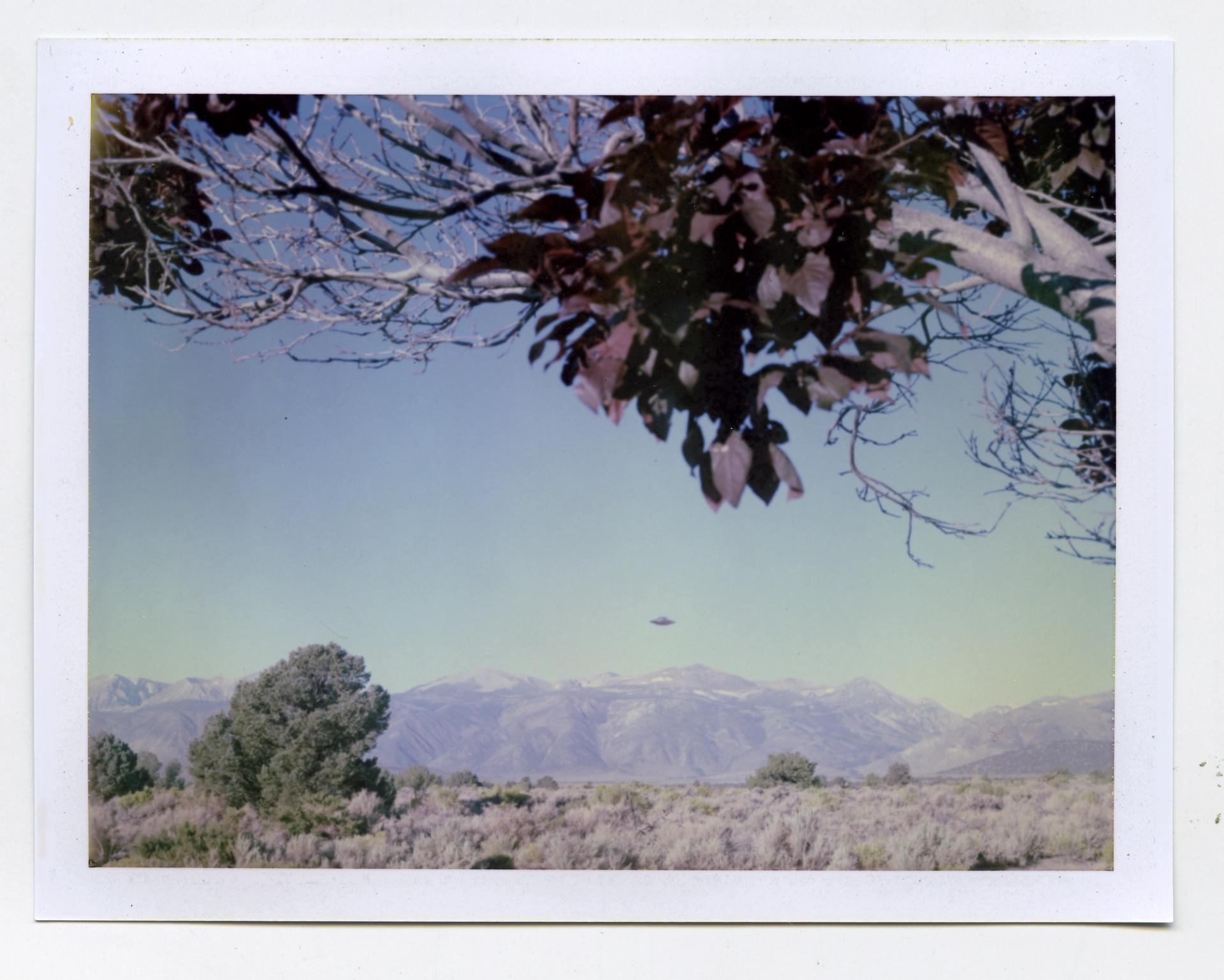
TP: I think there is a “slopification” of all visual stimulus at a cultural level as a result of the generative turn. Photographs don’t mean what they used to mean. For me, that’s translated into not really being interested in photography anymore. The last photography show I did was this collection of UFO pictures I had, because I was thinking, “This is what photography is now.”
What’s interesting to me now as a medium is these forms of media that speak to your subconscious. That’s why I’m doing this piece about hypnosis with Holly, and this work on my own brain—trying to understand that if you think about artwork or images in general as a visual stimulus and a neurological reaction to that stimulus, what if that’s the medium you use? What if you approach that from a fine art perspective rather than a slop-optimization perspective?
What other artists do you see using AI and tech in meaningful ways? How are you thinking about what it means to be an artist in the wake of generative AI?
TP: There’s something really interesting happening almost in the aftermath of the NFT thing, where there’s a whole generation of actually legit, interesting artists coming up in the aftermath of that—some of whom are developing genuinely new ways of pairing AI, art, technology, and ideas. That’s super exciting to me.
It’s also been really interesting to see how the meaning of work done by artists of my generation has changed. I’m thinking specifically about somebody like Cory Arcangel (opens in new window) would be in this camp, or John Gerrard (opens in new window), who was blending the old Ars Electronica kind of art-and-tech scene with installation artists like Robert Gober, hybridizing those two things to come up with a form. But now, what at that time was a synthesis of different traditions feels like a foundation for things.
HH: I agree with Trevor about the NFT era. It’s a very derided time—it’s easy to make fun of the ape pictures (opens in new window) or whatever—but there was actually a lot of cool experimentation happening on-chain, with distributed networks, with internet-native experiments that continue even outside the boom-and-bust cycle of the crypto market. People like 0x113d (opens in new window) or Harm van den Dorpel (opens in new window) or Simon de la Rouviere (opens in new window)—an interesting character—[or] Billy Rennekamp (opens in new window).
And also Lil Internet (opens in new window) from New Models. I think he makes really awesome radio plays using AI, trying to find weird new genres.
TP: I liked that club piece he came out with. In my friend circle, we were passing it around saying this might be the great piece of generative AI art up to this moment.
HH: He’s really awesome and pushing things in great ways. Some of the artists we’re featuring in the “Strange Rules” exhibition are people who wouldn’t consider themselves artists—like Ken Stanley (opens in new window), who’s researching open-endedness in the context of machine learning research. There are a lot of similarities between engineering thought and artistic thought at that high level.
TP: I think there is a big shift happening with regards to what it means to be making contemporary art right now. It’s created a lot of confusion, and I don’t know where it’s going yet. But I suspect one direction is just maximizing that cognitive injection paradigm—doing immersive installations where you wave your hands and flowers show up on walls. There’s something very compelling about that on a subconscious level. You’re just taking what generative AI does on TikTok and wrapping it into experiences you can’t get on a phone or a computer. The Sphere is a perfect example of that. And then, on the other hand, you have a retreat into craft, almost a farm-to-table approach to art making, which is fine. But I’m trying to find a third way.