Seeing like a machine
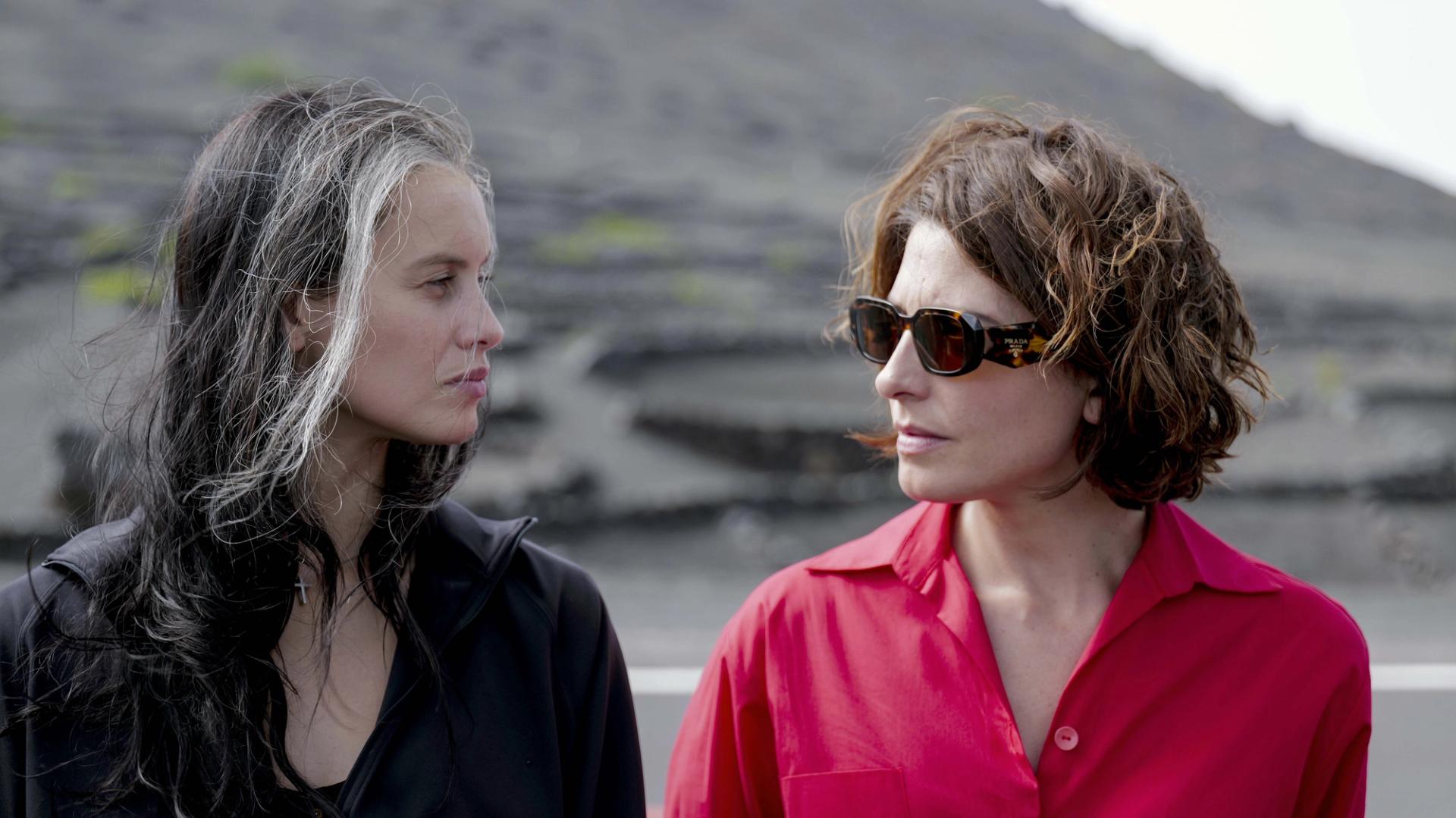
In our recently-published conversation between Holly Herndon and Trevor Paglen, moderated by Max Read—author of Read Max (opens in new window), a sharp newsletter covering tech and Internet culture—the artists talked about creativity in the age of “slopification (opens in new window)” and what everyone gets wrong about making art with AI. For more on this, check out Paglen’s new book, How to See Like a Machine: Images After AI (opens in new window). It’s an essay collection that begins, with startling prescience, in 2016, when most of us had not yet heard the phrases “machine learning” or “neural network,” but Paglen was already experimenting with early AI imaging systems.
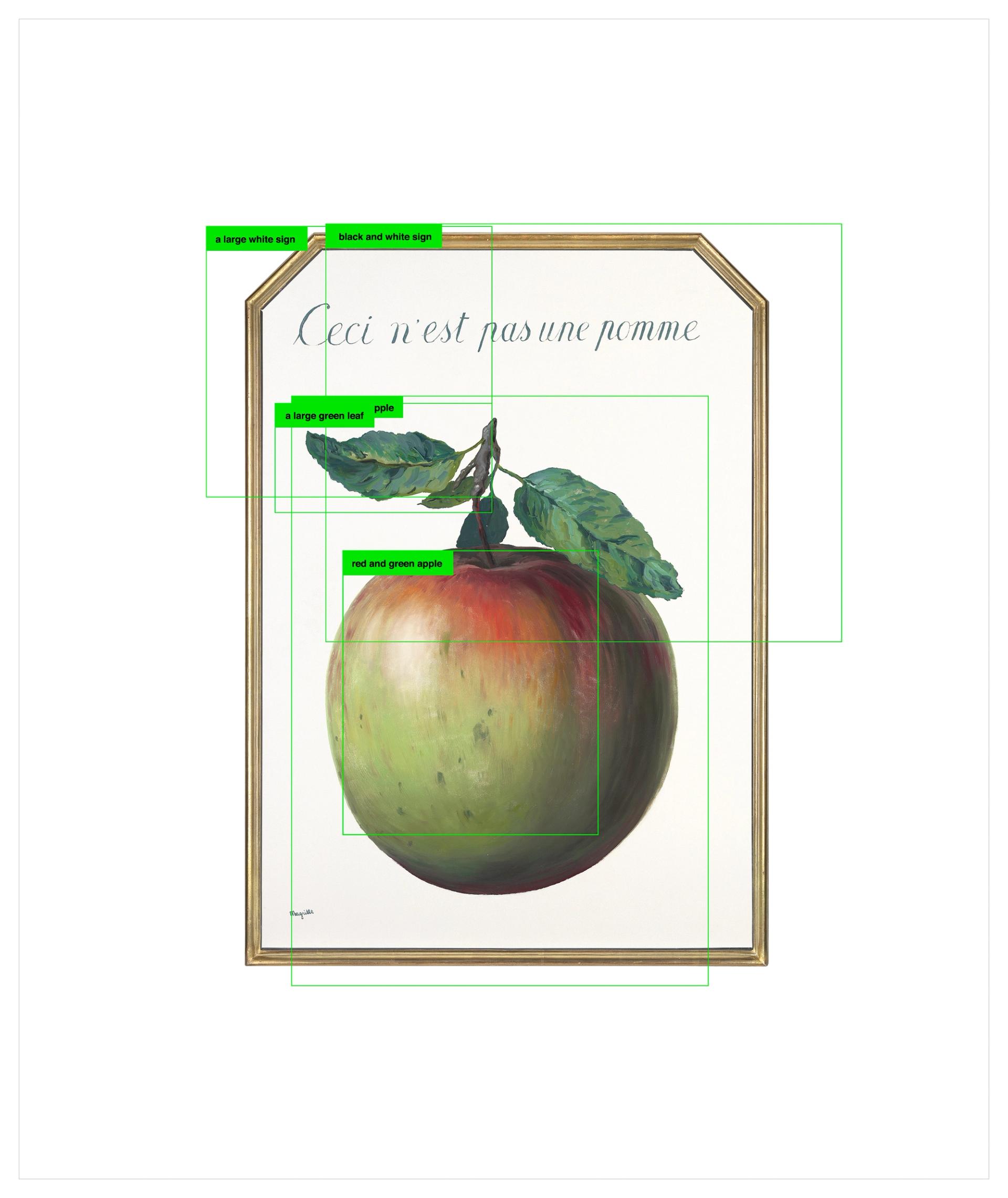
One idea that stuck with me was that of “machine realism,” his term for how AI systems perceive images (and therefore the world) in a way that’s completely opposed to human perception. It means that an AI image classifier, for example, cannot understand Surrealist art. Trevor presented one such classifier with René Magritte’s Ceci N’est Pas Une Pomme (opens in new window) (This is Not an Apple) (1964). The AI used its training data to analyze the painting and provide the following conclusion: “This is an apple.” Paglen uses this example to tease out the utter incompatibility of a literal, logical, machine-realist outlook and a messy, subjective, human-artistic outlook. It adds new meaning to the title of the 1929 pipe/non-pipe predecessor to Magritte’s apple, The Treachery of Images (opens in new window). You might call it, as Paglen did in a 2019 piece (opens in new window), “the treachery of object recognition.”
Photo: Trevor Paglen’s The Treachery of Object Recognition (2019). Courtesy of the artist, Jessica Silverman, and Pace Gallery.