Luke-Thomas Tokimasa Henderson
Artist
November 10, 2026
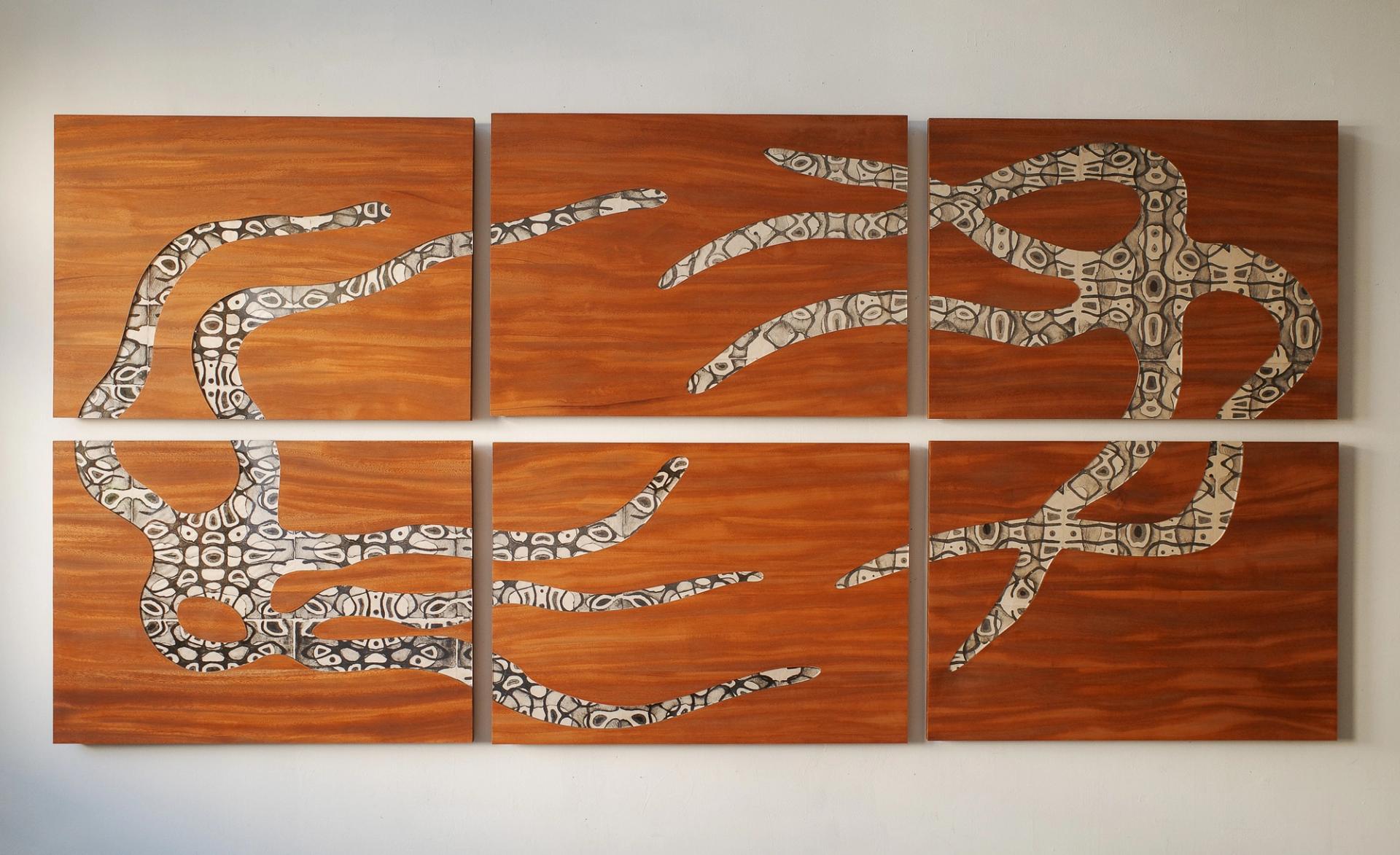
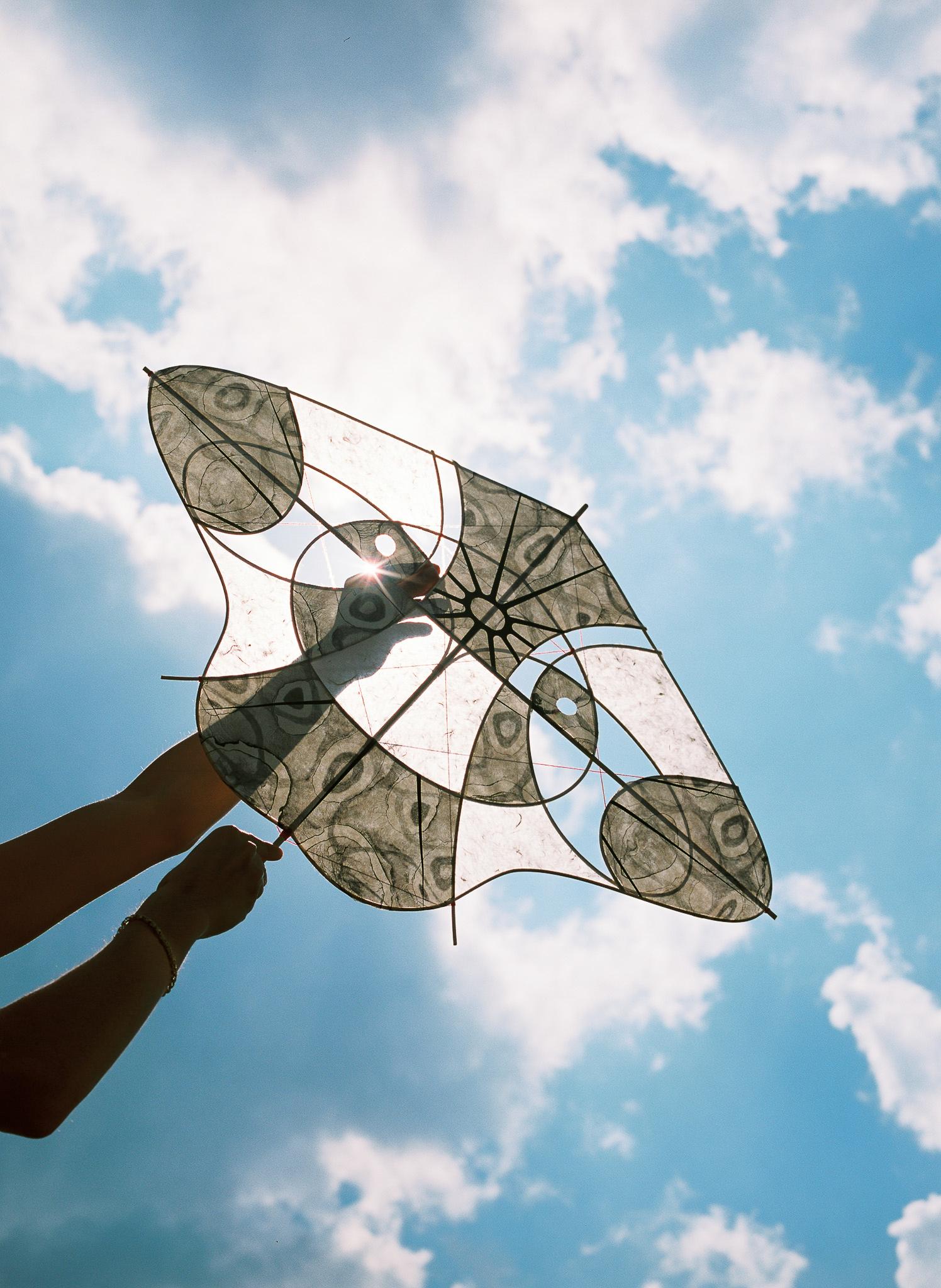
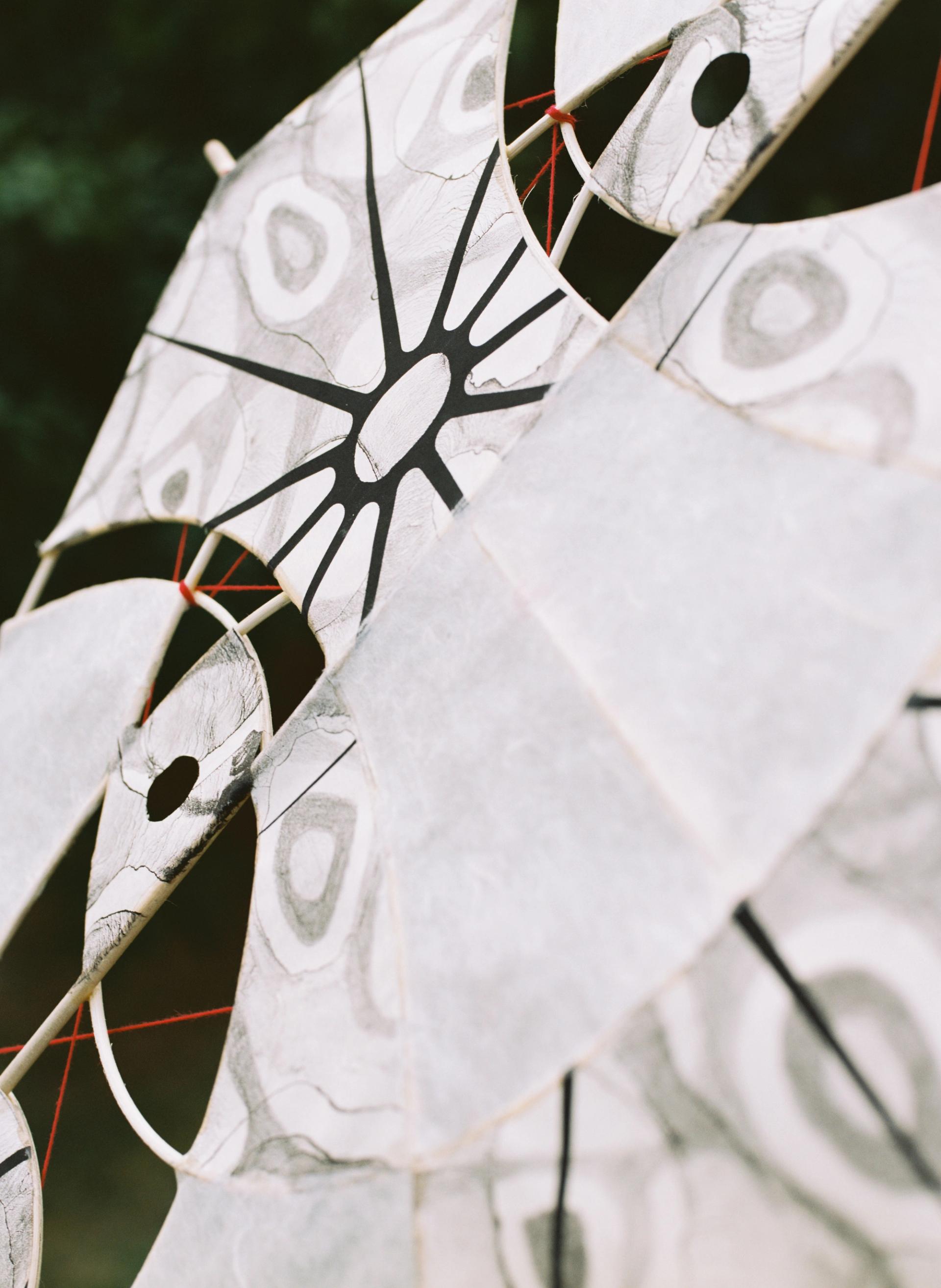
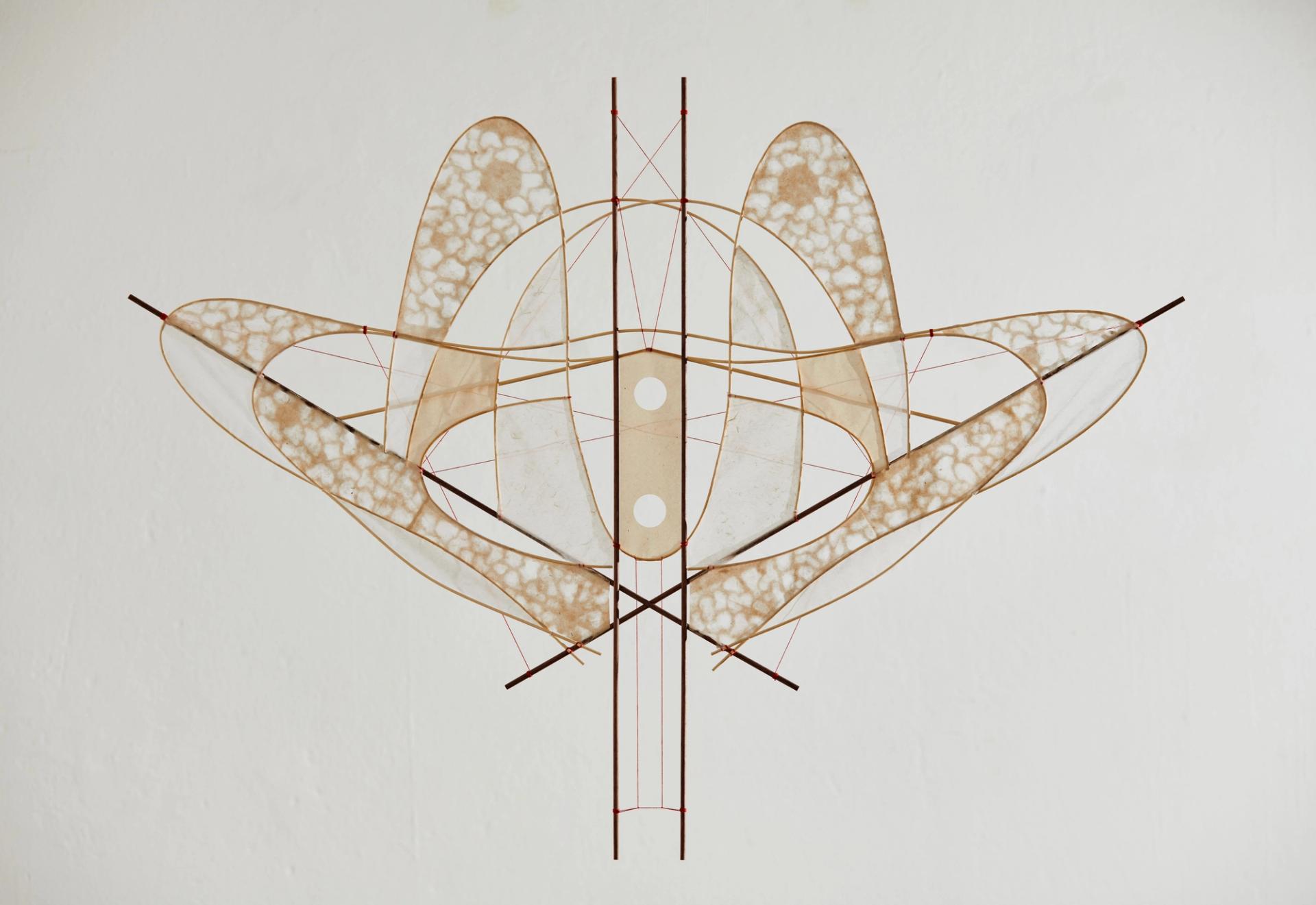
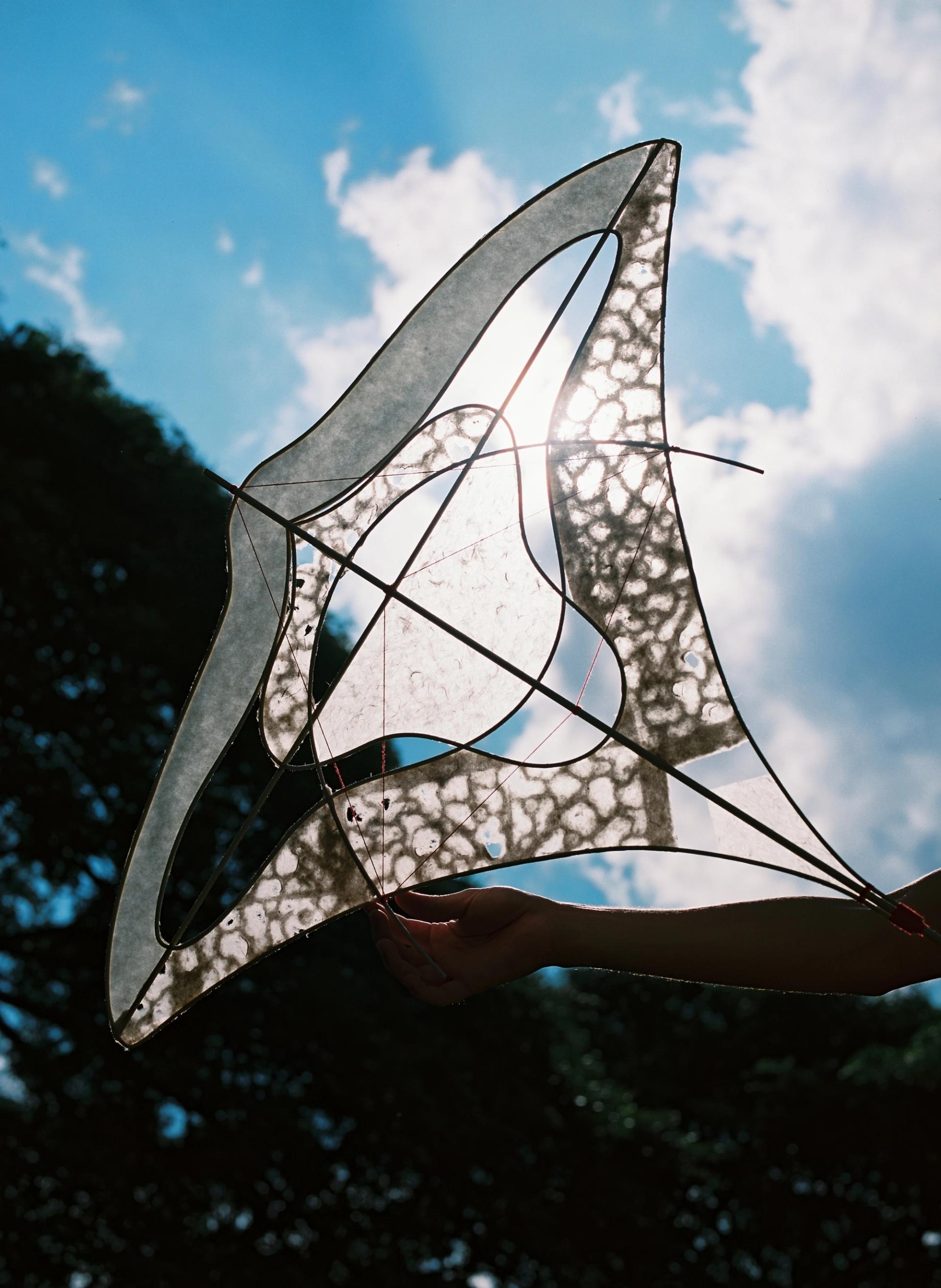
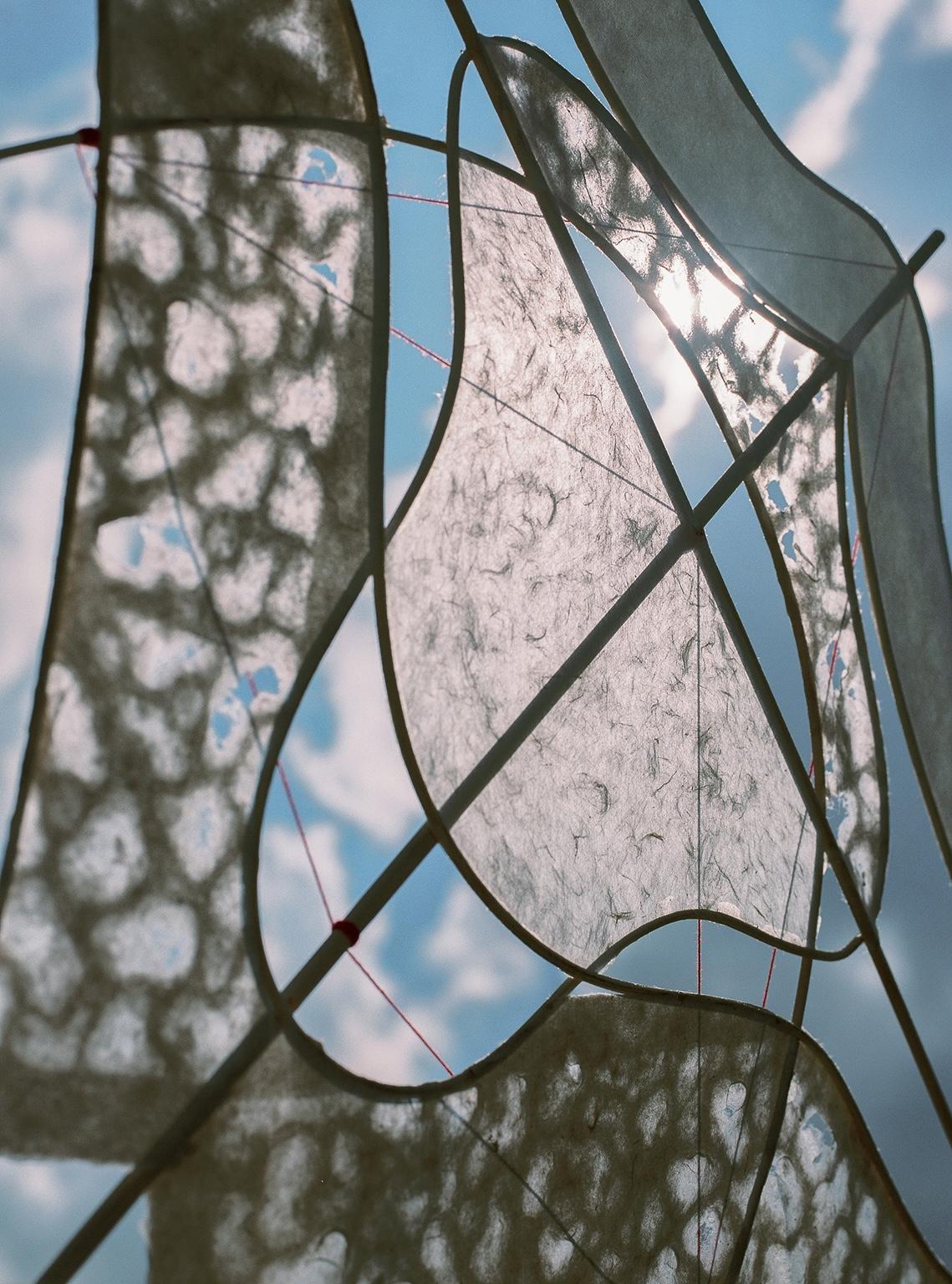
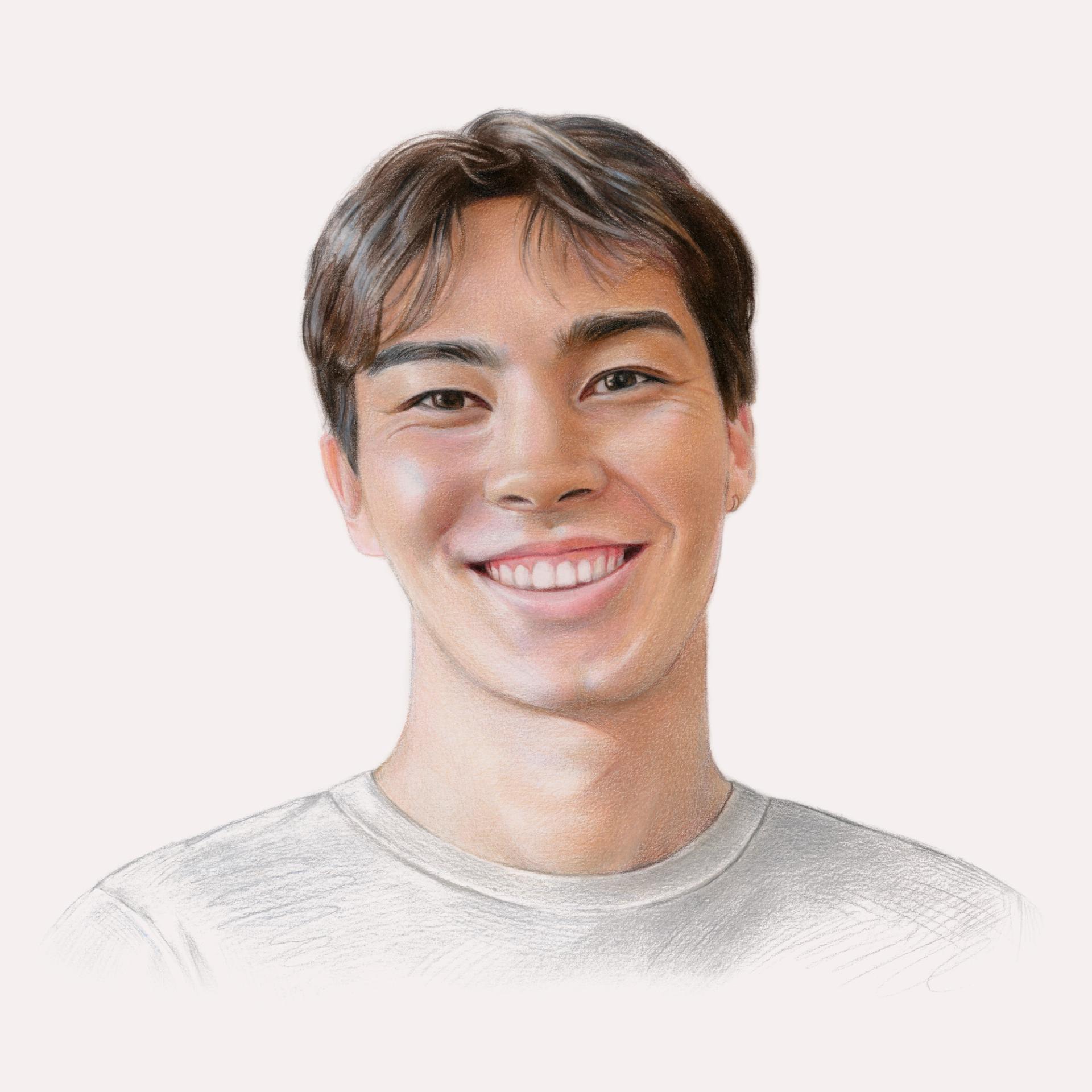
Luke-Thomas Tokimasa Henderson’s delicate art balances precision and whimsy: His kites, crafted from opalescent handmade paper, look structured and ergonomic while also evoking fantastical fishing apparatuses; his prints layer uncompromising square grids with undulating black squiggles that resemble cross sections of sedimentary rock. The 24-year-old carefully observes processes and patterns from the natural world, and uses techniques including lithography, screen printing, and Chine collé to translate and recontextualize them on paper. One woodblock print he made a few years ago evokes both the effect of dappled sunlight on a wall and the way Henderson imagines his grandmother, who was visually impaired, saw the world.
Henderson has been exhibiting his work for the last four years, and has recently gained recognition on the national level, winning the Spector Craft Prize for Emerging Artists earlier this year. But before he ever identified as an artist, Henderson’s pursuits were scientific. He was a sophomore studying material engineering and environmental science at the University of Hawai‘i Manoa when he took his first art class. He had always assumed he didn’t have the raw talent for painting or drawing, but when he learned about printmaking, he realized that he could approach art making from a technical perspective. Leaning on his academic background, he later studied how water flows in riverbeds to better understand the often unpredictable way ink dries on prints.
Honoring the natural world is vital to Henderson’s artistic practice. His interest in nature stems, in large part, from his love of his home state of Hawai‘i—a place teeming with plant and animal life that is also extremely vulnerable to the effects of climate change. Henderson is committed to honoring these diverse ecosystems in his work. At the same time, he’s driven to engineer new materials and forms, and to explore diverse applications of Japanese and Hawaiian tools and traditions. “Every project is an experiment,” he said. “Curiosity really drives my practice because I constantly want to create new techniques.”