Collected

Blobby Vases, Vintage Cameras, and More Gift Ideas for the Craft-Obsessed

What we’re obsessed with this week in craft and culture, gifting edition. As we wade into holiday shopping season, we asked Totei staff and contributors—who have excellent taste—what they’re giving to the most discerning people in their lives.

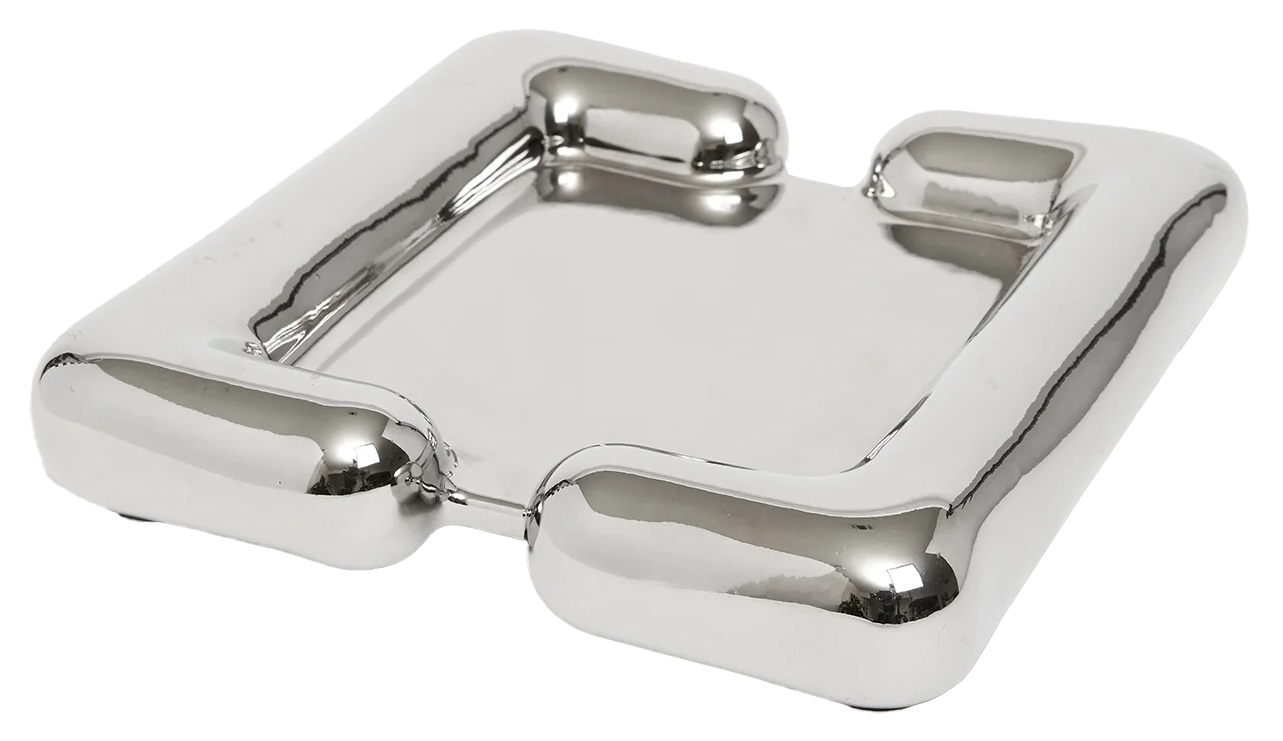
A horizontally oriented photograph of a square silver tray, with rounded, bracket-shaped edges on either side.

Hug Tray

For the design snob

Kouros Maghsoudi is known in design circles for making the sexiest bed frames, the sexiest chairs, and the sexiest mirrors. If you’d rather not drop a few months’ rent on something that takes movers to install, I present the Hug Tray (opens in new window), a tabletop piece that takes all the hedonistic spirit of his aesthetic and distills it into something you can hold in your hand. Equally suited to a smoker (not an endorsement, cough) and to someone who simply needs somewhere to toss their wallet and keys, it’s a container that doubles as an art object. As if this tray weren’t cool enough, it’s available through Studio Iron, a shop curated by perpetual It Girl and world-class taste-haver Isamaya Ffrench. If you, too, are cursed with an infuriatingly stylish, in-the-know person in your life, I personally guarantee this will impress and delight even the most judgmental and black-hearted of design snobs—not that I would know.—Rob Vargas, art director
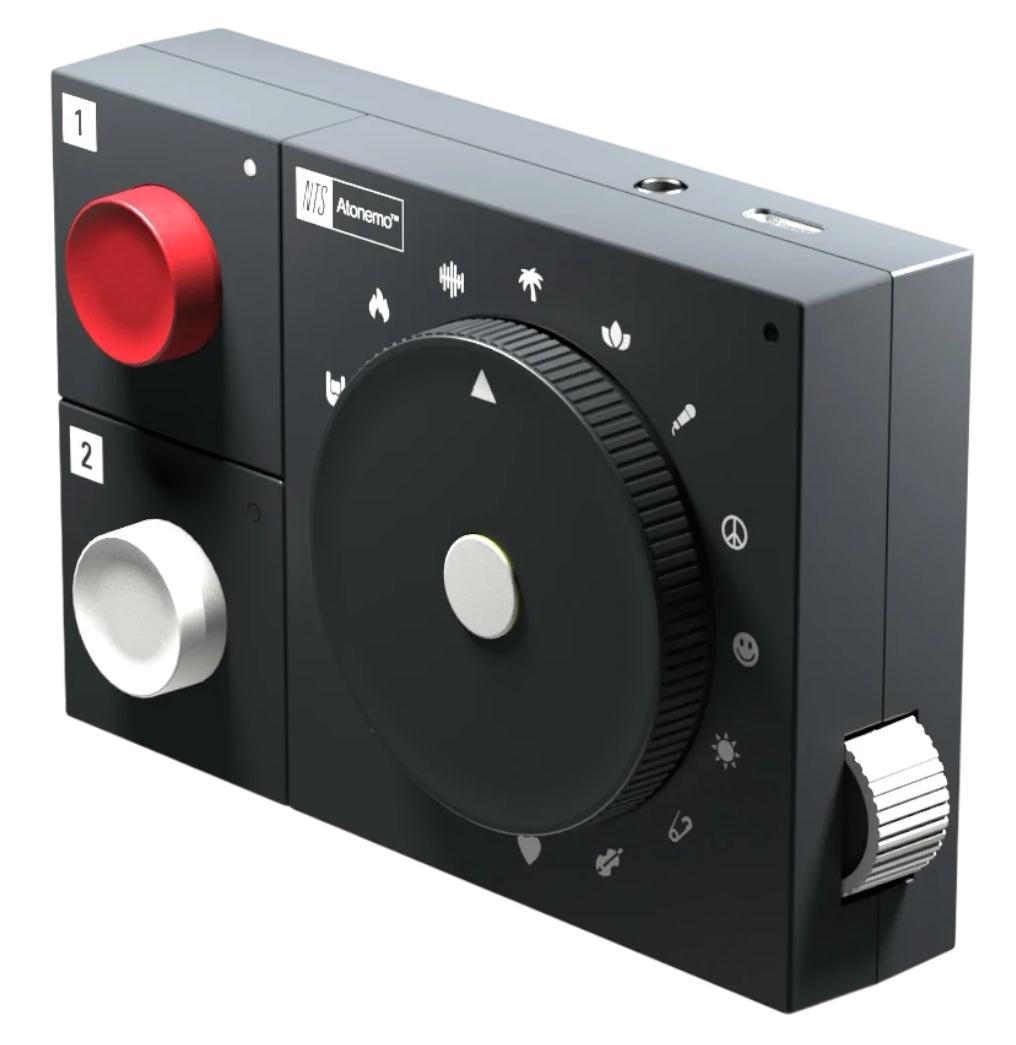
A horizontally oriented photograph of a small, rectangular black radio player with white, red, and black dials.

Atonemo NTS Radio Player

For the musically but not algorithmically inclined

When so much of the digital world feels like an endless feed of soulless AI slop, algorithmically driven content, and influencer marketing, NTS remains one of the internet’s last bright spots, a place that prioritizes human connection and organic music discovery over music-as-product. NTS features two stations that play music 24 hours a day, as well as an extensive archive of vibrant, genre-agnostic mixes, all ad-free and selected by residents or guest DJs. Tune in at any given moment and you’re equally likely to encounter Cameroonian dance music, field recordings from gardens and cityscapes around the world, or tributes to American country star Dolly Parton.

The Atonemo NTS Radio Player (opens in new window) is a compact, arch-minimalist WiFi streamer that connects NTS to your at-home speaker or amplifier system. It features buttons to stream either of the live stations, as well as a rotary dial that allows you to choose from 16 of NTS’ Infinite Mixtapes. As much as NTS fosters virtual connection, it feels distinct from contemporary streaming trends: According to a 2024 article (opens in new window) in the New York Times, 40 percent of the music played on NTS cannot be found on Spotify. The Atonemo NTS Radio Player allows you to put away your phone or laptop and keep listening, algorithm-free. —Vrinda Jagota, social media producer

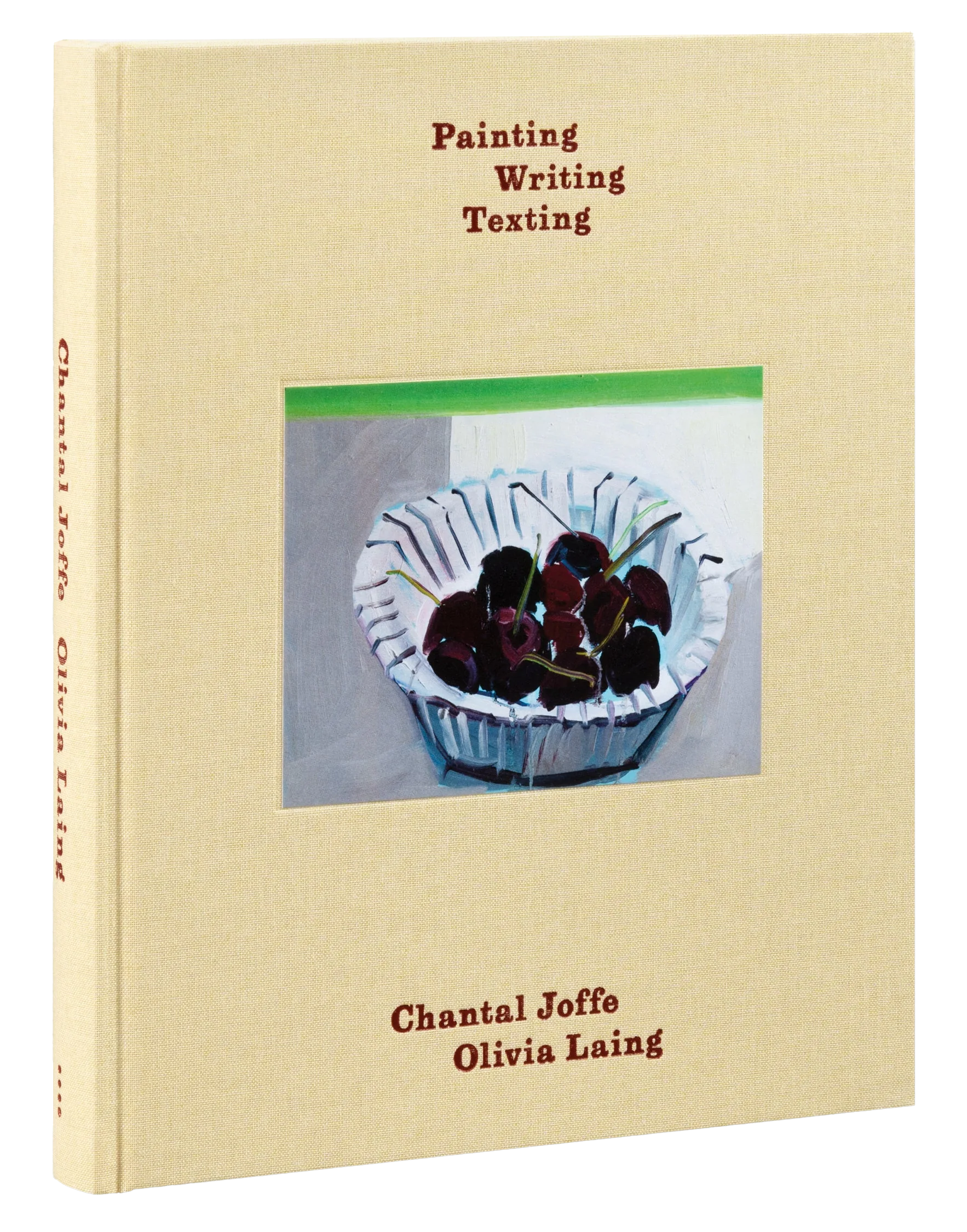
A vertically oriented photograph of a pale yellow book cover, with red text reading "Painting Writing Texting" above an image of a bowl of cherries. Red text at the bottom reads "Chantal Joffe Olivia Laing."

“Painting Writing Texting” by Olivia Laing and Chantal Joffe

For the creative who’s going through it

Olivia Laing’s The Lonely City is the book I recommend to anyone going through a life transition. It proposes art as a balm for isolation and artists as companions encountered via their work. The painter Chantal Joffe, evidently, is also a fan: She reached out to Laing after reading The Lonely City in 2016, asking to paint them and precipitating a creative friendship that has endured over the decade since. Painting Writing Texting (opens in new window) is a record of that relationship. More intimate than a typical coffee-table book but more stylish than most essay collections, it interlaces Joffe’s gestural portraits with Laing’s slice-of-life writing, in which Joffe’s subjects slip in and out of focus. Theirs is a natural kinship: Both make work that is psychological and gripping, but unfussy and tender. The book reminds me of my own best friend, who spreads creativity around like an airborne virus. Give it to anyone who hears out all your ideas, good and bad, without judgment.—Olivia Horn, managing editor

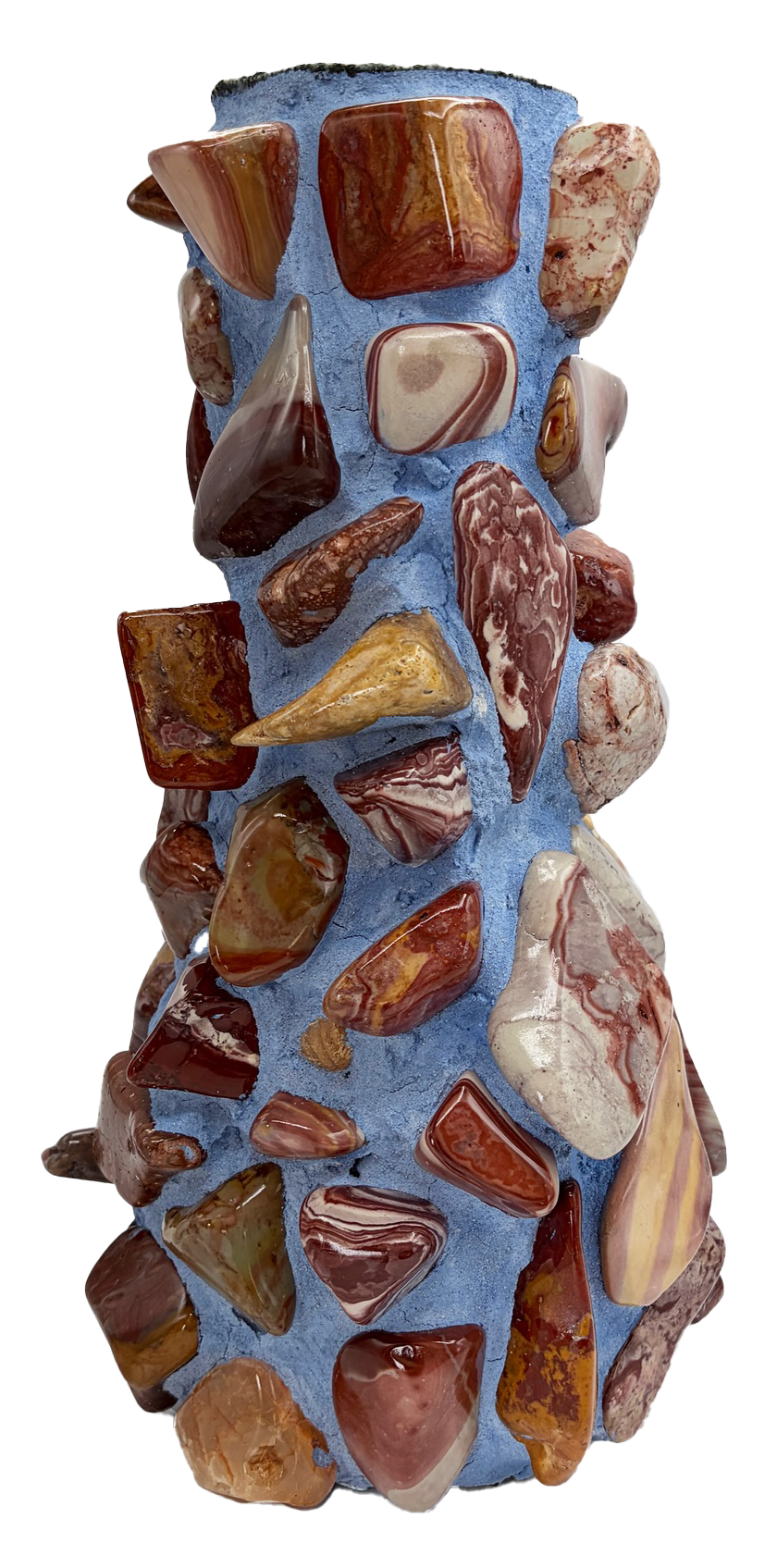
A vertically oriented photograph of an irregularly shaped blue vase, embellished with stones in varying shades of brown, deep red, and white.

Jessica Hans vases

For the flower-picking imperfectionist

My Jessica Hans vase (opens in new window) delights me daily when my eyes fall on its glossy, blobby body. Whether encrusted by tumbled stones, glazed with a tie-dye crackle finish, or canted to one side, her work reminds me that perfection is boring, that beauty is bumpy, and that I should be containing more flowers. A New Mexico–based artist and wildland firefighter, Hans sells her singular ceramics through HAY (opens in new window), Tokyo design shop Bullpen (opens in new window), and directly.—Alis Atwell, photo editor

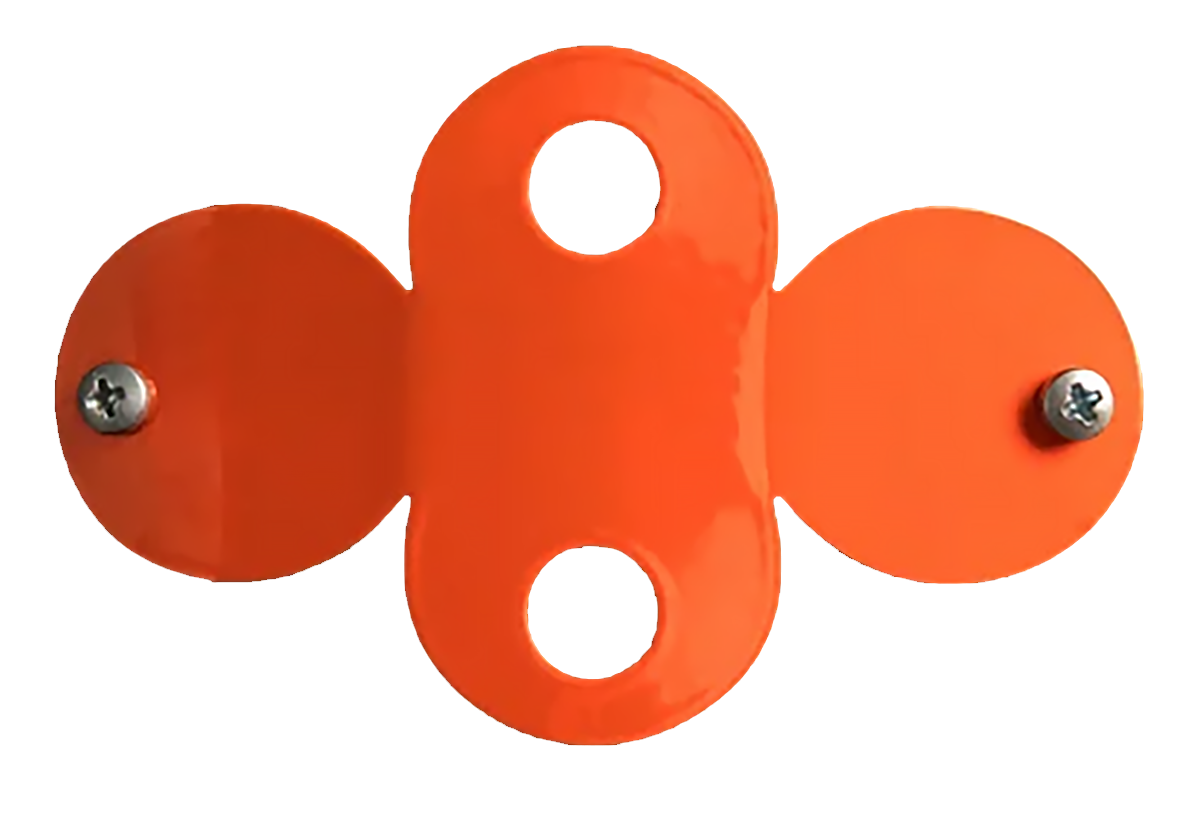
A horizontally oriented photograph of an orange hair accessory, with two circular parts on either side of an elongated oval and a silver screw on either side.

Madison Seidman hair clips

For the recovering horse girl

Accessories designer Madison Seidman grew up riding horses in Bucks County, Pennsylvania, wearing bows in her hair to equestrian shows where she would earn a bounty of shiny award ribbons. Today, Seidman’s line of clips, combs, and scrunchies (opens in new window)—launched after she graduated from Parsons School of Design in 2023—nods to the talismans of a girly-girl childhood. But visible metal screws, dimensional geometric shapes, and glossy jewel tones imbue the practical treasures with an adult sophistication. The horse girl became a city slicker. (The pieces are all made in New York.) One “Madbar” in particular (opens in new window), an abstract shape that gestures at the concept of a bow, teeters between prep and quirk. Rendered in lightweight aluminum, it adds the perfect touch to a Bauhaus-inspired look. While Seidman’s accessories are appealing even when laid flat, decorating a vanity table, they are destined to be worn by designers and architects with beautiful long manes.—Greta Rainbow, contributor

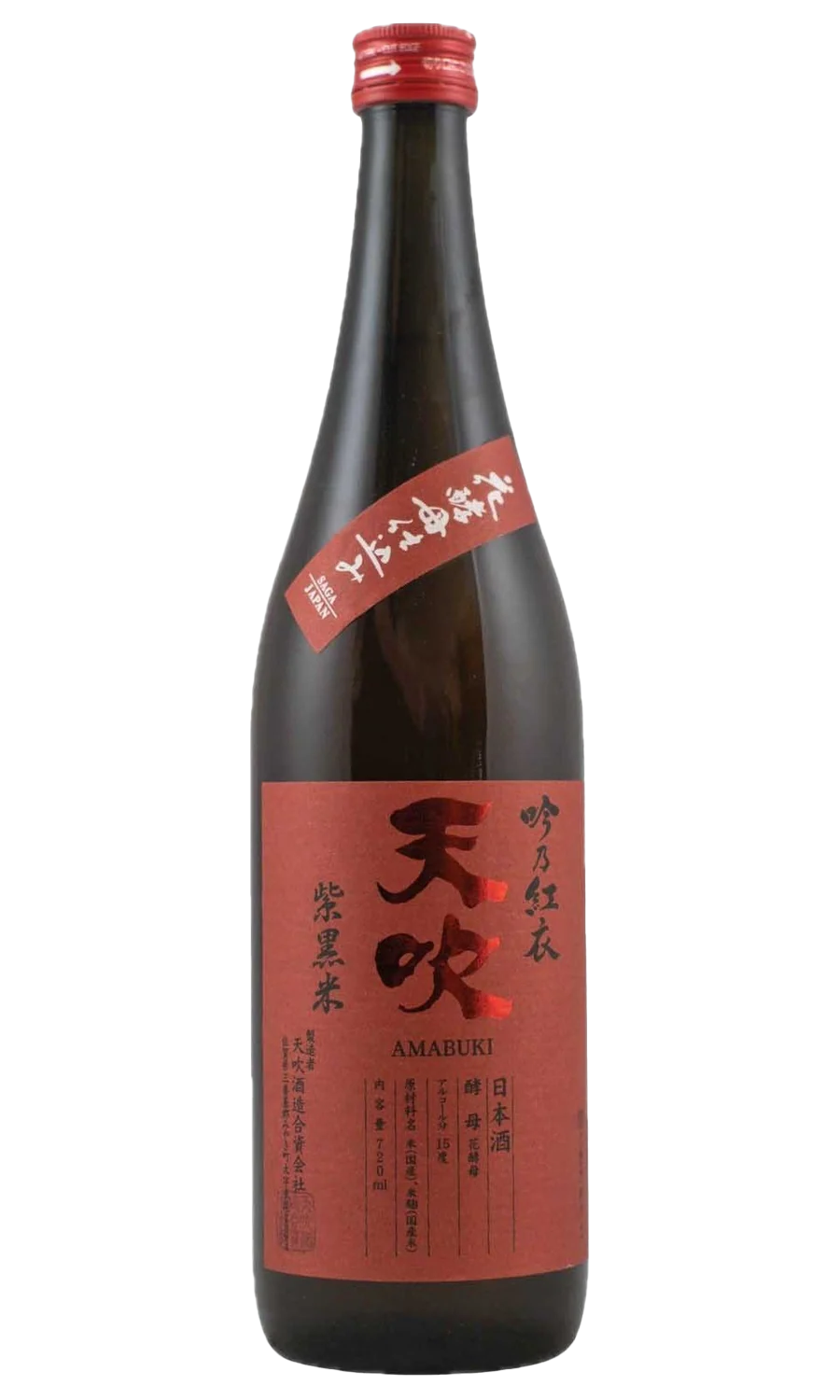
A vertically oriented photograph of a black bottle with a red cap and label printed with Japanese text and the word "Amabuki" in Roman characters.

Amabuki Shuzo’s Junmai “rosé” sake

For the exacting cocktail drinker

This bottle found its way into my life through an unusual backdoor. It was on the ingredient list for a fussy cocktail that I was making for some friends, and while the recipe called for any black-rice sake, which is hard enough to come by, it recommended this one by name. With the pressure of hosting looming over me, I figured this was no time to be taking risks. I rode the train to a sake shop in another borough to get my hands on Amabuki Shuzo’s Gin No Kurenai (opens in new window), aka “Pink Lady,” sake. The bottle, it turns out, is full of delightful complexity. Thanks to the use of black rice in the brewing process, the color of the sake itself is a silvery, faded pink, which is why some wine shops have added “rosé” in scare quotes to the name of the bottle. It’s more like rosé’s distant cousin who has nothing to prove. On the nose, there’s overripe fruit, but it lingers briefly before a delicate savoriness settles in. Served chilled, it’s a bright counterpoint to all those heavy winter wines that crowd the table at holiday parties.—José Ginarte, photo director

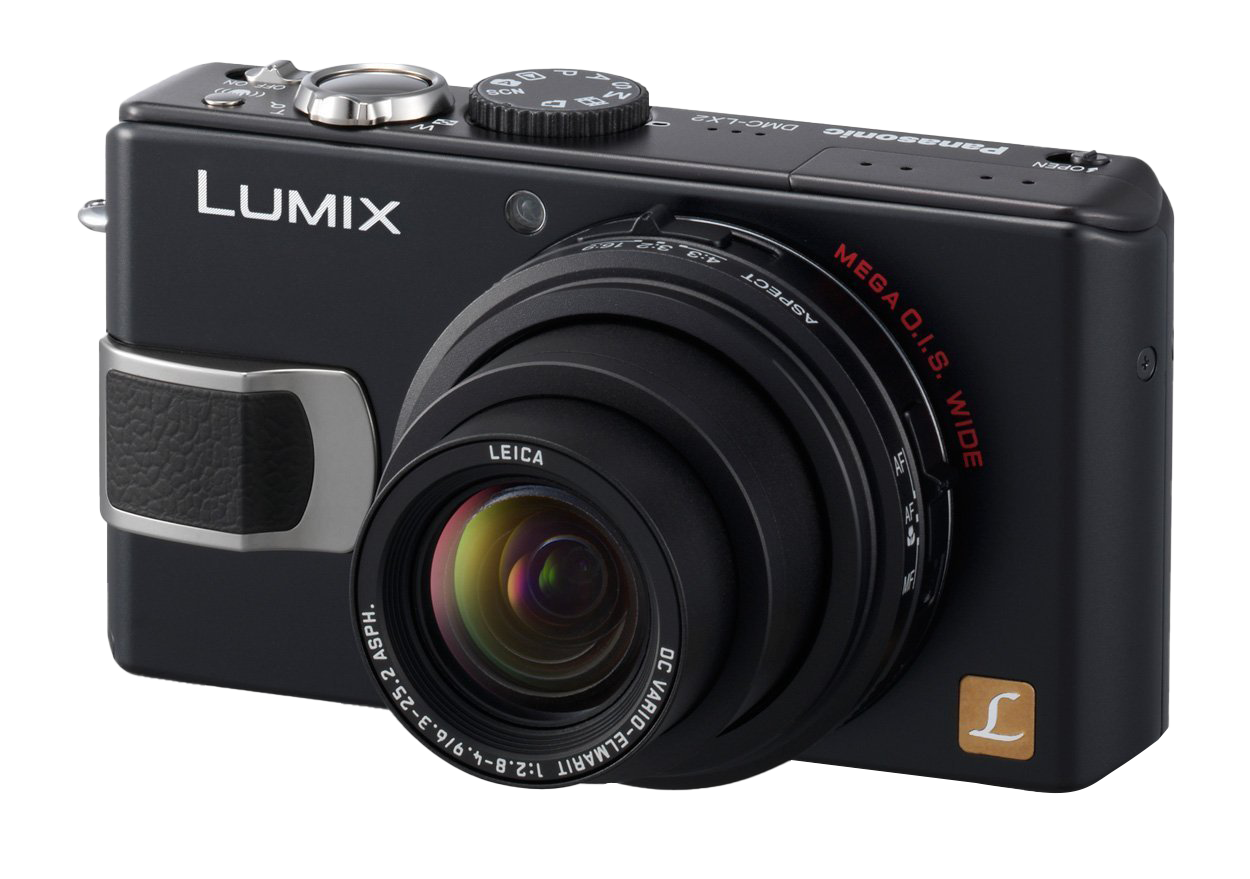
A horizontally oriented photograph of a black camera with silver and black dials. Silver text in the top left corner reads ”Lumix.“

Panasonic Lumix LX2, LX3, or LX5 series

For the aughts nostalgist

Before I dive into this recommendation, let me say that I know the Y2K-inspired digicam look has been trending for a few years. Being trendy is not what this is about—and I was popular on MySpace so I know ball. Back when we were free and unaddicted to our phones, we had point-and-shoot cameras and we’d take photos of everything. We’d upload 200 photos into a Facebook album with a title that doubled as an inside joke, and friends would comment on every single photo. There was a simple pleasure in documenting your life without a filter. I yearn to experience that pleasure again.

This is a vintage digital point-and-shoot, so you will have to buy it secondhand (opens in new window). Make sure that any listing you consider explicitly states the camera is in working condition and comes with a battery. A lot of sellers on eBay will say it’s been tested, which is good—we like that. Don’t pay more than $150. Anything above that is a trend tax and whoever is charging it should be punished. The whole idea with this kind of camera is that it can be thrown in a bag and battered on a night out. Plenty of companies, new and old, are making modern versions of the lo-fi point-and-shoot, but personally, I don’t want a reverse-engineered grainy photo. We deserve the real thing.—Alyza Enriquez, video lead

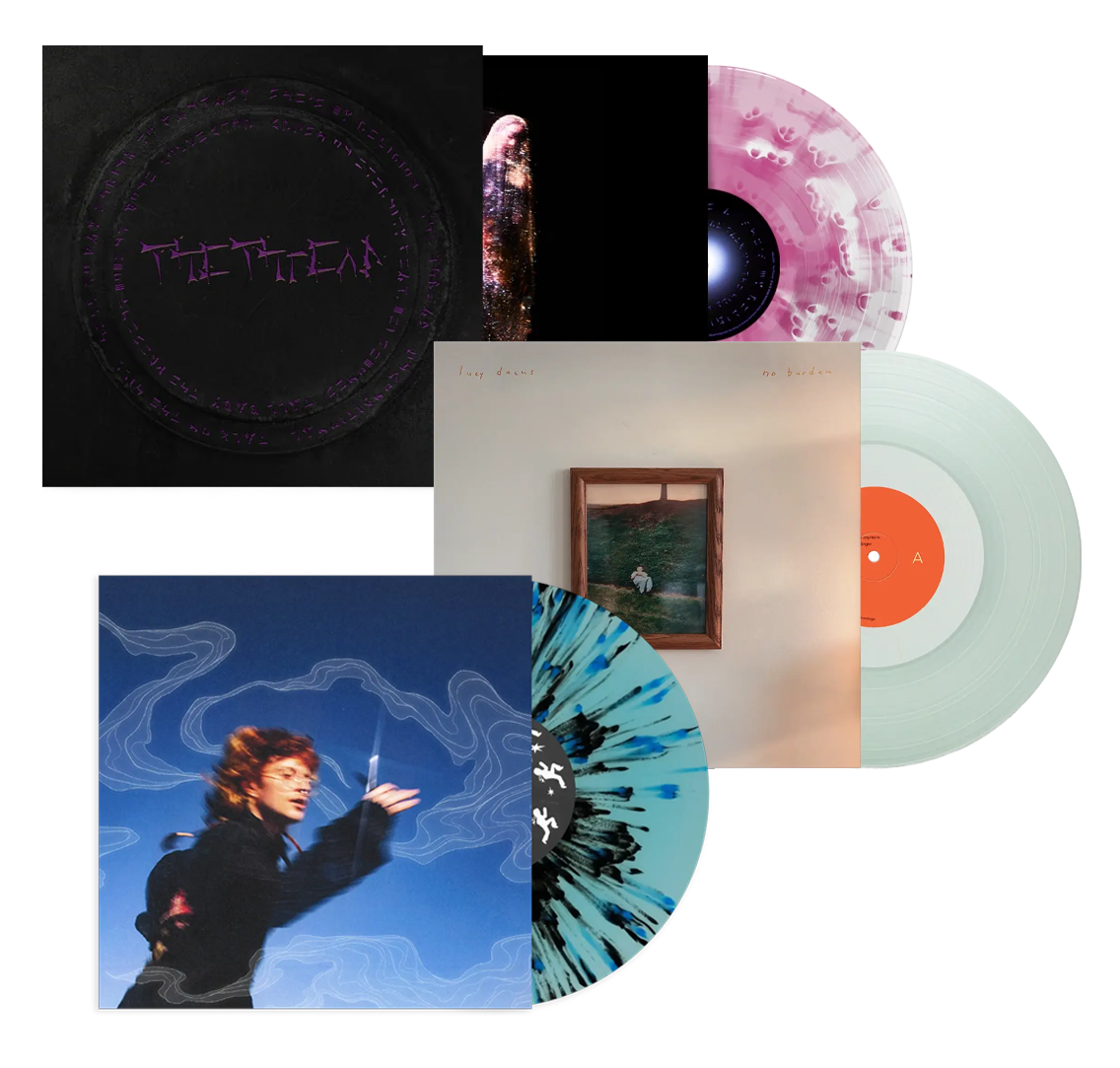
A vertically oriented photograph of three vinyl records. At the top is a pink and white marbled record in a black sleeve, above a translucent teal record in a pearlescent sleeve, and a blue and black splattered vinyl in a dark blue sleeve with a figure on the front.

Candy-colored records

For the ear- and eye-candy connoisseurs

Take your tastemaking to the next level and gift an essential 2026 album on vinyl that looks good enough to eat. While there’s no shortage of limited-edition LPs on the market today, these three stand out.

On The Thread—pressed in a deliciously marbled magenta edition (opens in new window)—Willow (yes, that (opens in new window) Willow) delves deeper into the avant-garde, jazz-infused musical experiment she started on petal rock black. The album bends genre and song structure, building groove after groove from chant-like vocal hooks, then letting them shapeshift or dissolve entirely.

This year was a big one for Lucy Dacus, with milestones including the 10th anniversary of her debut album, No Burden, which she marked with a gorgeous, seaglass-colored reissue (opens in new window). In the decade since its original release, Dacus has honed her witty, devastating lyricism and expanded her sonic palette. Revisiting No Burden is a chance to appreciate her artistic evolution along with the parts that have stayed steady, like the depth and tonal range of her voice and her intimate, intellectual writing style.

Sweet and spiky, Cavetown’s Running with Scissors is as cathartic as it is comforting. Chiptune samples and brain-tickling synths lend the album a retrofuturistic edge, balanced by moments of stripped-down acoustic guitar and bare vocals. The result is a floaty, grungy soundscape carrying lyrics that morph seamlessly from infatuation to rage and back again. It’s a pleasurable journey through emotional whiplash, with a suitably kaleidoscopic blue splatter vinyl (opens in new window).—Mer Wade, editorial assistant

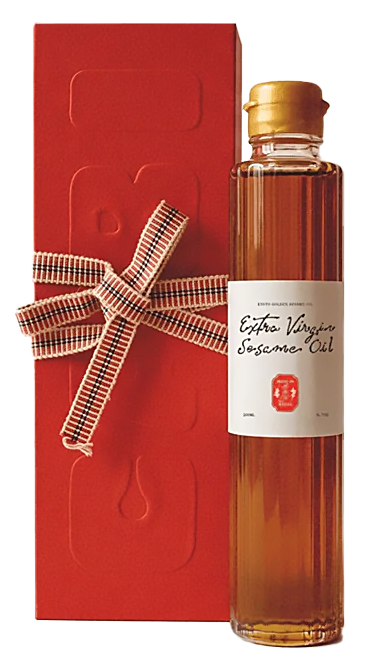
A vertically oriented photograph of a red box, decorated with a bow, next to a narrow bottle of gold-colored oil. The label on the bottle reads "Extra Virgin Sesame Oil."

Cabi Kyoto sesame oil

For the drizzlers

Luxury olive oil is very 2014. For a newer, more original high-end pantry staple, my favorite is this extra-virgin sesame oil by Cabi (opens in new window), a women-owned Japanese condiment brand. Made in collaboration with a traditional Kyoto sesame oil maker that has operated since 1934, it lives up to its storied provenance. It’s silky and rich, with a strong but not overpowering nutty flavor. Your gourmand friends will find endless uses for it. And if they’re more like me—equal parts unskilled, lazy, and short on time—a small drizzle on a salad, roasted vegetables, or even ice cream will instantly turn the ordinary into something restaurant-quality. Resist the temptation to play it safe with something your recipient can already get at their nearest overhyped artisanal grocery (shots fired, Erewhon), and flex your read on the next wave of food trends.—Rob Vargas, art director

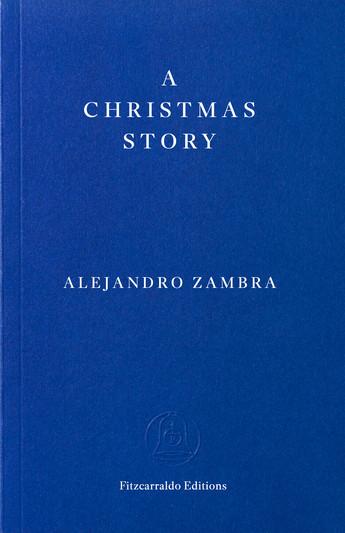
A vertically oriented photograph of a blue book cover, which reads "A Christmas Story, Alejandro Zambra, Fitzcarraldo Editions" in white text.

“A Christmas Story” by Alejandro Zambra

For your creative partner

Good editors are ghosts. Andrés Braithwaite, who edited Roberto Bolaño’s newspaper columns, once described the job as “a companionship that erases itself.” In A Christmas Story, Chilean writer Alejandro Zambra presents Braithwaite, who also edits him, as the secret spirit inhabiting every minuscule literary decision.

A narrator who is plainly Zambra takes a job reviewing books for a Santiago newspaper under David Tightwad, a thin disguise for Braithwaite. Their friendship orbits pedantic linguistic debates: Early on, the duo argues for two hours over the critic’s use of “vertiginous.” They rush a review of Bolaño’s magnum opus, 2666, to press and weather a minor literary scandal, all while navigating the social unpleasantries of the paper’s policy for delegating review copies. At the book’s end, a Christmas gift recasts two decades of friendship and grievance, and allows the editor to have the last word.

When Zambra’s book came out in Mexico in 2023, the real Braithwaite supplied a reluctant foreword and 58 footnotes. In them, he corrects a date, kills a “soupçon,” and objects to Zambra’s Mexican slang. Fitzcarraldo’s English edition (opens in new window) (coming to the US from McSweeney’s in 2027) adds another layer. In endnotes, translator Megan McDowell and her own editor, Jacques Testard, debate commas, joke translation, and British sandwich fillings. The result is a short, funny book about friendship and a working demonstration of how prose gets crafted one dispute at a time.—Will Fenstermaker, contributing editor