Collected

Martin Parr’s Final Show, Schiaparelli’s Lobster, and Cuban Cubism

What we’re obsessed with this week in craft and culture.

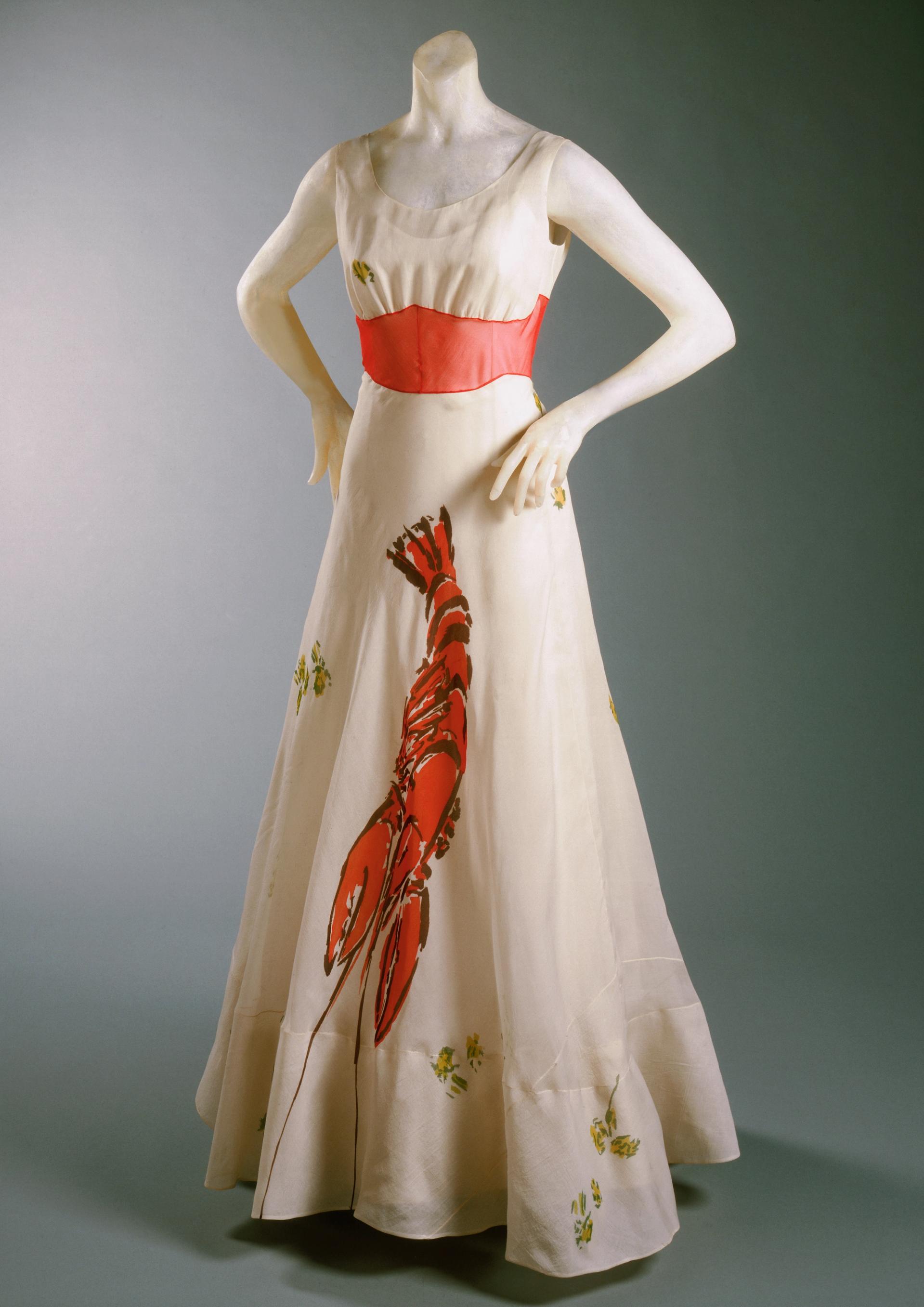
Schiaparelli lobster-print gown displayed with Salvador Dalí's "Lobster Telephone" in a glass case at the V&A museum, viewed by a visitor.
Credit: Schiaparelli’s lobster dress (1937) displayed with Salvador Dalí’s “Lobster Telephone” (1938) at the V&A. Photograph by David Parry/PA. Courtesy of the Victoria and Albert Museum.

Consider the lobster dress

I’m obsessed with Elsa Schiaparelli. I love the quirk and wit of her 1930s designs (bug necklaces (opens in new window)! shoe hats (opens in new window)!), influenced by collaborators like Man Ray, Jean Cocteau, and Salvador Dalí, and the way she balances her outré impulses with unimpeachable craft. The precision of her tailoring and the flattering cuts of her garments prevent her designs from straying into kitsch. I also have a fixation on what the Met describes (opens in new window) as Schiaparelli’s “predilection for audacious closures”; she repurposed bullet casings as coat closures and added buttons made of plastic (an avant-garde material choice for interwar Paris) onto evening gowns. Plus, she’s the source of some great fashion gossip. She famously feuded with Coco Chanel, who allegedly (opens in new window) once shoved Schiaparelli into an arrangement of lit candles at a costume ball.

I’m particularly fond of Schiaparelli’s collaborations with Dalí, which include that shoe hat and the famous silk organza lobster dress that Dalí unsuccessfully tried to smear with mayonnaise (opens in new window) as a final meta-Surrealist touch (alas, Schiaparelli drew the line at condiment-on-couture). Both are on display right now at the Victoria and Albert Museum in London, the former alongside Dalí’s lobster telephone. Today, artist-designer collaborations abound, but they are largely mediated through corporate strategists and rolled out in tiresome marketing campaigns, rather than resulting from organic creative exchanges among friends. We’re inundated with “guest edits” and T-shirts printed with trademarked reproductions of paintings. Where is the mayonnaise?
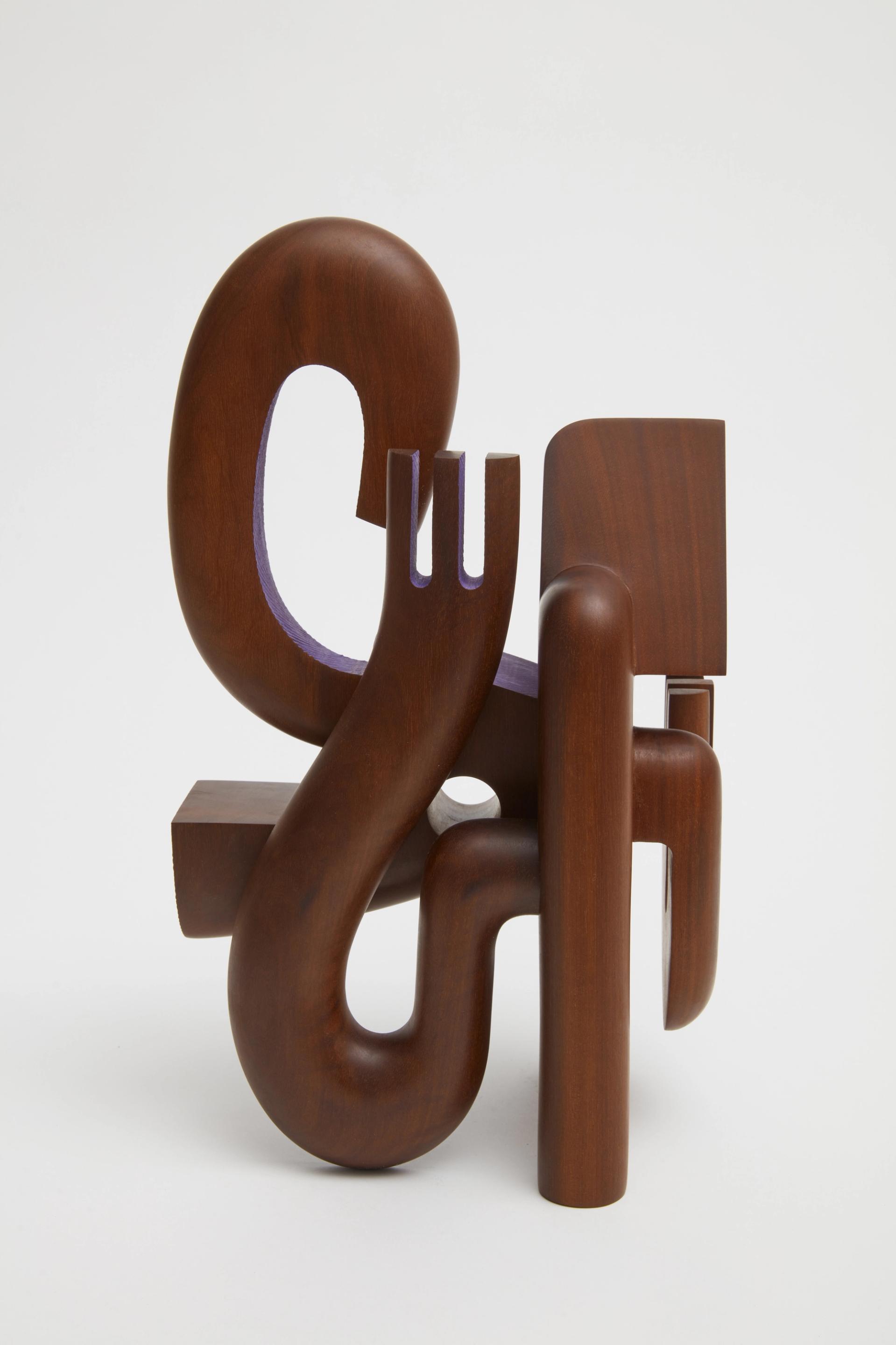
Abstract geometric hardwood sculpture with interlocking rounded and angular forms against a white background.
Credit: Magdiel García Almanza, “Girl with Fish XXIV” (2022). © Magdiel García Almanza. Courtesy the artist and Sean Kelly, New York.

Viva Cubist libre!

Magdiel García Almanza’s sculptures look to me like slinky creatures that by some magic spell have slipped out of the Cubist canvases of Georges Braque or Jean Metzinger and assumed three-dimensional form. In their new bodies, they retain some of the sharp corners of those paintings and also develop fluid curves like limbs that give them their sense of graceful, wriggling motion. García Almanza, who hails from Cuba, collects hardwood beams from old colonial houses in his home country and carves his sculptures from the salvaged timber. A selection of his work is on display from now until August at Sean Kelly Gallery (opens in new window) in New York. It’s worth seeing in person. The sculptures cast small shadows on their plinths, and colorful crevices—painted orange or blue or purple—are hidden from some angles, necessitating a careful walk around each object. In Girl with Fish XXIV (2022), a forklike appendage reaches upward with three tines or fingers, the interdigital spaces revealing themselves to be bright purple. It is a lovely surprise.

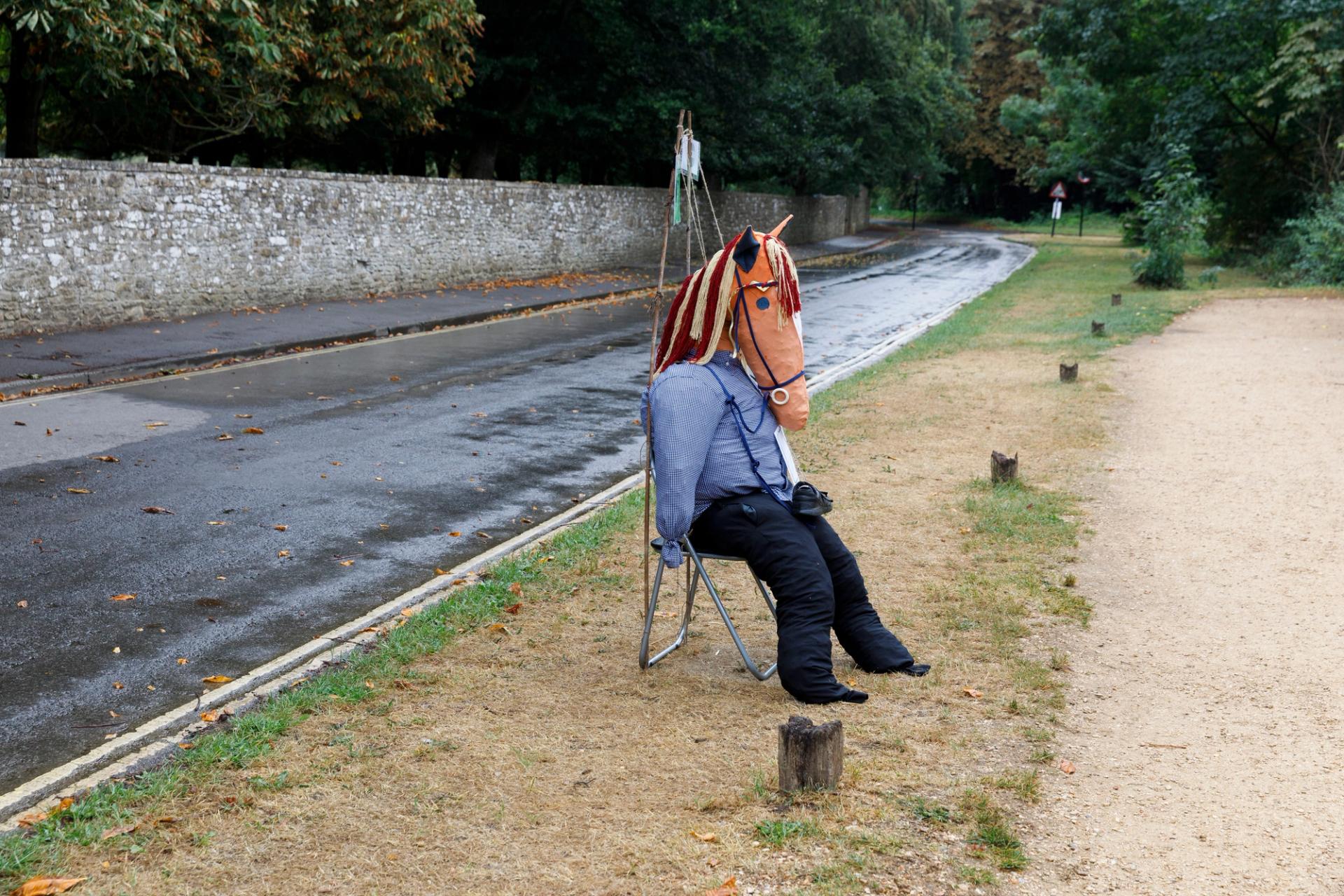
A scarecrow with a horse head sits on a chair beside a road in the grass.
Credit: “Scarecrow Festival, Lacock, England” (2025). © Martin Parr / Magnum Photos.

Martin Parr’s final show

I recently finished reading the late British photographer Martin Parr’s 2025 autobiography, Utterly Lazy and Inattentive (opens in new window), and smiled at this line: “There’s something very interesting about boring.” It is an endearingly self-effacing way to characterize the heart of Parr’s appeal: his uncanny ability to pluck delight and humor, like magic, from the mundane. Parr’s quotidian, but very interesting, subjects included British beachsides and high streets, tourists swarming the glass-shielded Mona Lisa, church festivals and flower shows, gas stations and McDonald’s meals. And you can always sense Parr’s essential affection for his subjects—even when he’s capturing people at their silliest and most luridly spray-tanned, he is never making fun of them.

Parr’s final major commission before his death in December was a series focusing on Lacock, a village in Wiltshire, England, that he first photographed in the 1980s. He made the photographs in the spring and summer of 2025, just months before his death. Now those images are showing at Lacock’s Fox Talbot Museum in a free exhibition (opens in new window) that will run until next June. It looks like a visit to the UK is on the horizon!

Join our community