Collected

Ibeyi’s New Album, Leonardo da Vinci Digitized, and Porcelain You Could Eat

What we’re obsessed with this week in craft and culture.

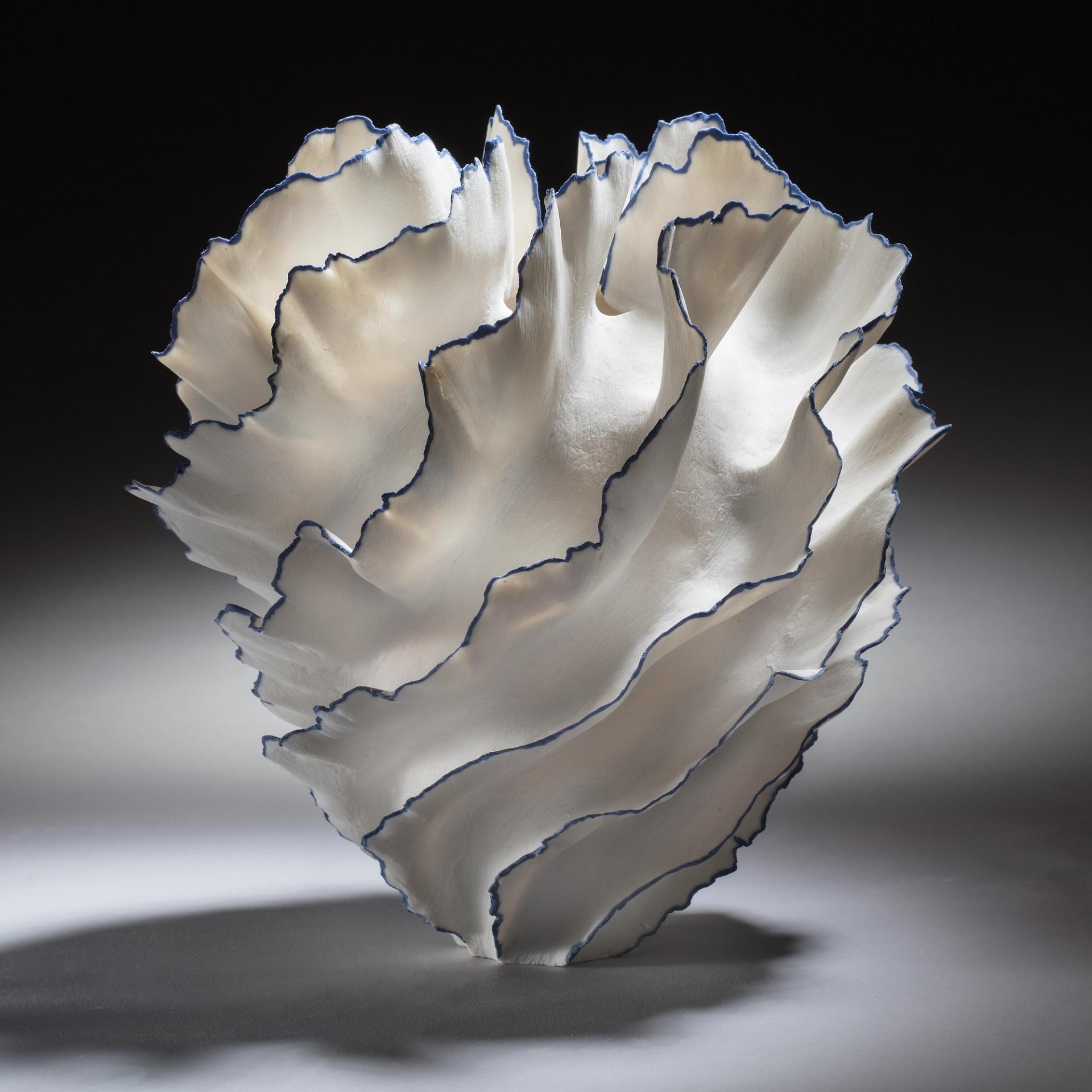
White ruffled ceramic vessel with blue-edged, petal-like layers, photographed against a dark background.
Credit: Sandra Davolio, “Coral Vase” (2025). Photograph by Ole Akhøj. Courtesy of J.Lohmann Gallery.

Porcelain you could eat

The itinerant art and design fair NOMAD opens today in the Hamptons. I was extremely excited to see that ceramicist Sandra Davolio is making an appearance. Davolio, who works with stoneware and porcelain, produces the kind of sculptures you stare at for a while—not only because they are beautiful, but because you are trying to figure out how on earth she constructed them. Her “coral” sculptures indeed resemble those watery invertebrates, but the green ones (opens in new window) also take after lush heads of lettuce, kale, or cabbage, while the undulating white porcelain pieces (opens in new window) bring to mind shavings of parmesan or creamy honeycomb tripe. One of the works on display at NOMAD, Coral Vase (2025), is daintily edged in blue, a little like the azurite veins of gorgonzola (I promise I ate lunch before writing this). The sculpture’s pleated fronds are wafer-thin, almost translucent under light; the soft-looking form belies the fiendishly difficult process of making it. (Davolio uses paper porcelain, which lends itself to delicacy but is extremely prone to breakage and kiln disasters.) But as Davolio once said (opens in new window), “It’s worth the risk.”—NXE
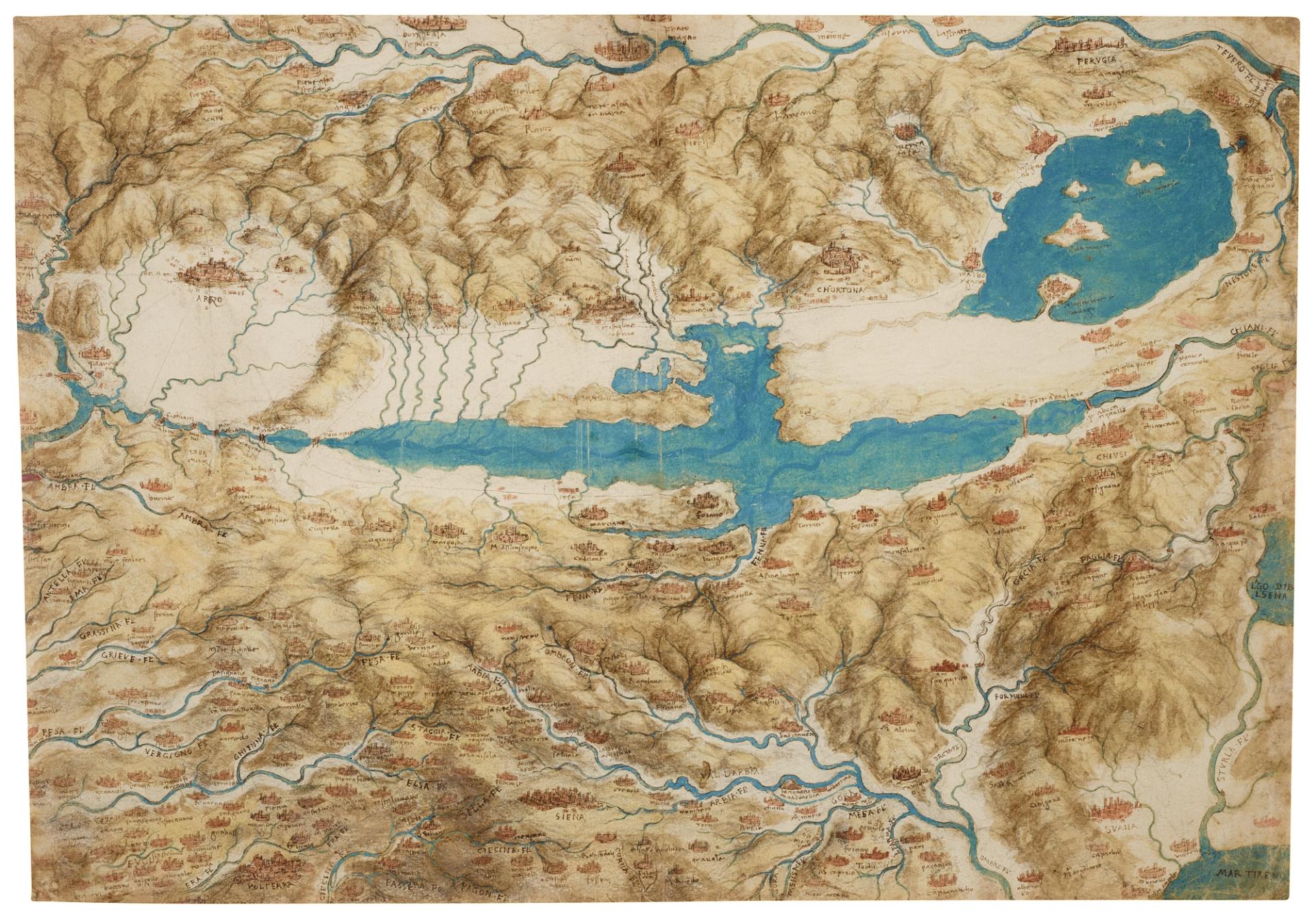
Hand-drawn Renaissance map showing rivers, mountains, lakes, and towns across the Tuscan landscape.
Credit: Leonardo da Vinci, “Mappa della Toscana meridionale” (c. 1503–06). © Royal Collection Enterprises Ltd 2026 │ Royal Collection Trust.

Leonardo for all

In the late 1500s, an Italian sculptor named Pompeo Leoni came into possession of thousands of pages’ worth of notebooks and manuscripts that belonged to Leonardo da Vinci. The great polymath’s archive included anatomical sketches, colored maps, handwritten observations, and technical drawings of contraptions both real (waterwheels and screws) and unrealized (giant mechanical bat wings for humans to fly in). Leoni sliced up these precious pages, which were later sold off to various collectors across Europe. And so they remained for 400 years—until now.

Earlier this month, the Galileo Museum in Florence digitally reunited the estranged manuscripts, publishing them in a free online database (opens in new window) for public perusal. Papers in the UK and Italy, including fragments from the same sketches that were knifed apart centuries ago, are now easily viewable in one piece. It’s surreal to be able to browse at one’s leisure through an alphabetical list of Leonardo’s work: a brown ink drawing (opens in new window) of a “worn-out Caesar crowned with oak leaves”; neat architectural blueprints (opens in new window) for a palace; a piece of paper cut into a circular shape (opens in new window) (perhaps because Leonardo was trying to draw a hemispherical map of the world), featuring sketches of a church and his famous, cryptic line about his volatile patrons: “The Medici created me and destroyed me.”

Leoni also segregated the collection into the superficially distinct disciplines of art and science. The choice was heedless of Leonardo’s emphasis on disciplinary overlap and blending, which was so central to his genius and to the Renaissance principles he embodied. The new database, far from being just a useful reference for specialized scholars, is a gift for all of us from a man who died half a millennium ago and continues to shape our lives and art today.—NXE

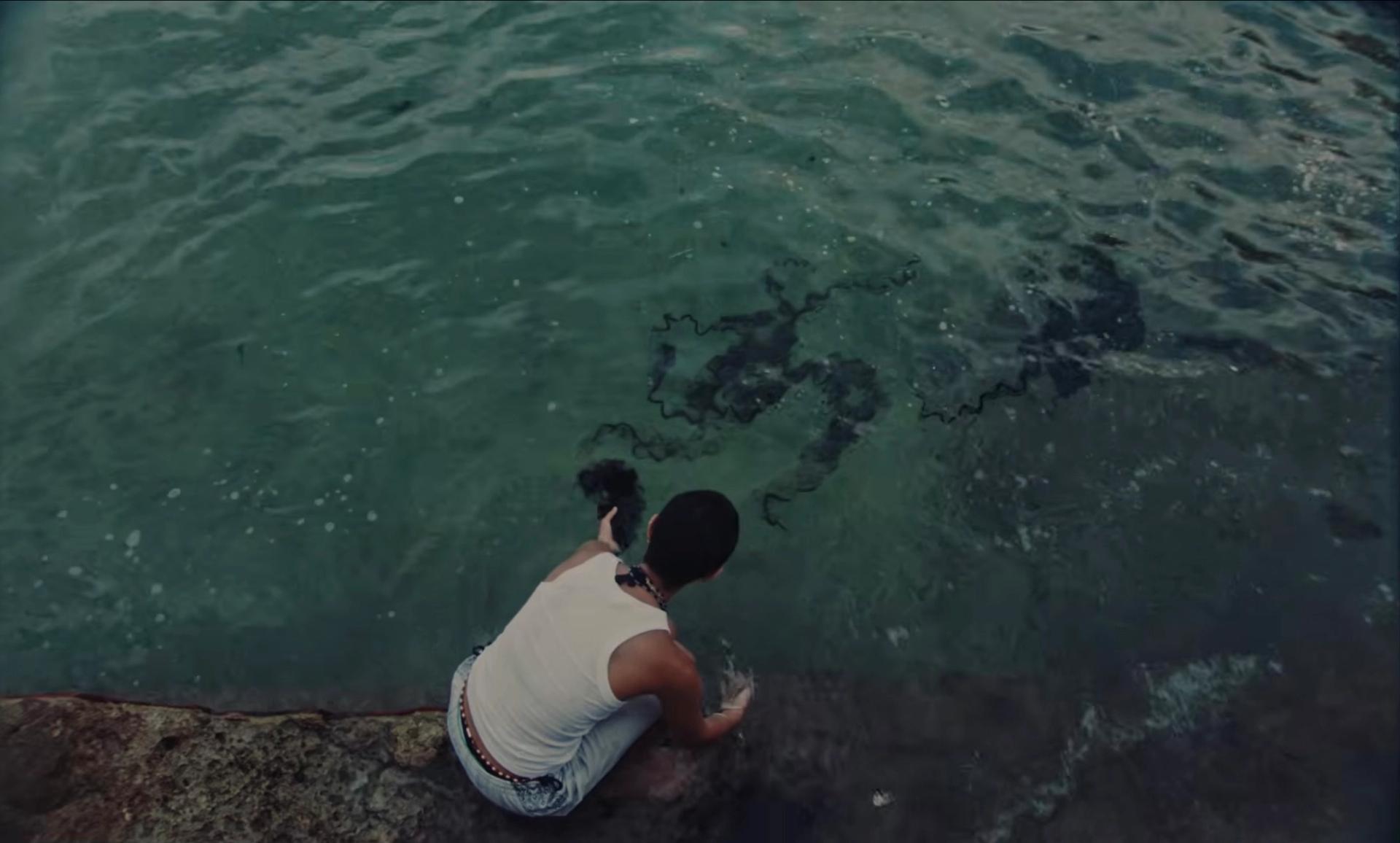
Overhead view of a person crouching on rocks, touching the water beside drifting seaweed.
Credit: Still from Ibeyi’s “Offerings” music video, 2026. Screenshot from Ibeyi / YouTube.

Twins Pique

I’ve been a fan of Ibeyi, the duo of Naomi and Lisa-Kaindé Diaz, since 2015, when percussionist Naomi inspired my short-lived dream of playing the cajón. (I have never seen someone look so cool while, essentially, smacking a large wooden box.) Naomi and Lisa are twins, and duality is a prevalent theme of their music: They center their dual French Cuban heritage, singing together in French, Yoruba, and Spanish as well as in English, and strike a delicate balance between ethereality and grit. Two of my favorite songs on their new album, Offering, out tomorrow, sit on opposite sides of that spectrum. “Moshpit” is ferocious, with rumbling percussion and demonic-sounding pitched vocals and an evocative refrain: “I am the moshpit.” That indelible phrase captures something I recognize—being multitudinous and dynamic; feeling energized and alive but also a touch violent.

On the other end, there’s “Offerings,” a spacious, meditative song about transformative pain and relinquishing control. In the striking video (opens in new window) that accompanies it, Lisa has her hair tenderly shorn by her sister, then releases the clippings in the ocean, where they bloom like an inkblot. Shot on the iconic Malecón in Havana, the scene is weighted by its context—gesturing toward personal crisis as well as Cuba’s larger collective struggle. Lisa’s offering becomes a prayer for renewal.—OH

Join our community