
Collected

New Nara, Crying at the Club, and a Delicious Reissue

What we’re obsessed with this week in craft and culture.

A man stands next to a large painting leaning against a studio wall.
Credit: Photograph by Keita Saiki. Artwork by Yoshitomo Nara. Courtesy of David Zwirner Gallery.

For the Nara-heads

There is something so relatable about the young people and creatures that Yoshitomo Nara paints: the girl in a blue dress sticking her tongue out indignantly, the one in the red dress glaring up at you as if to say, “Don’t you dare ask me that again,” the dog with a knowing grin creeping across its face. Nara distills your complex adult rationalizations and narratives into singular images, asking you to clarify what feeling is really at the core of the story you’re telling yourself. When you see those emotions, personified as children, staring back at you, they start to feel funny, too. Like, “Oh, maybe that scathing four-paragraph text I sent was actually about hunger, or boredom, or annoyance. Maybe it would help to take things a little less seriously moving forward.”

Nara has an exhibition opening at David Zwirner on Friday. It will be his first solo exhibit in New York in almost a decade and will include new work—paintings, collages of fabric, paper, and cardboard—as well as drawings from the ’80s and bronze sculptures from 2024 that represent the same childish figures he’s most known for painting. He’s an artist with such a distinct aesthetic and sense of humor, and I’m excited to see how that extends across mediums, and what each new piece will ask of the viewer.—Vrinda Jagota
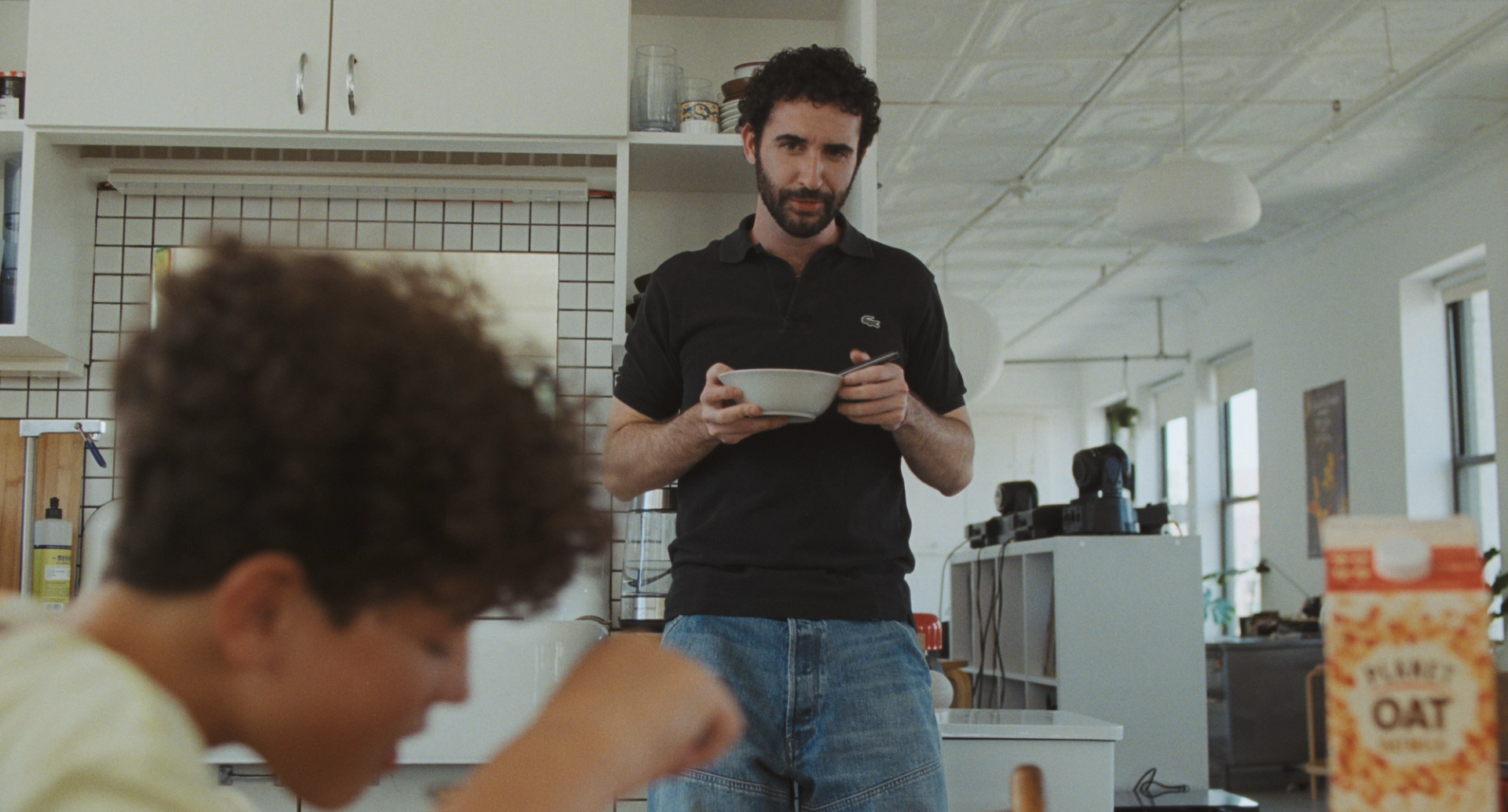
A white man with dark hair holds a bowl of cereal with a young white boy in the foreground.
Credit: Still from “Club Kid” (2026). Courtesy of A24.

Peter and the lost boy

Time is a slippery thing, even for those of us who spend it (mostly) sober. Throw in a regular regimen of brain-scrambling chemicals—as does Peter, the titular “club kid” portrayed by actor and comedian Jordan Firstman in his directorial debut (opens in new window)—and it’s like black ice. Firstman’s character is a party promoter drifting through his thirties without a plan or much self-regard. Early in the film, he’s so strung out that he bombs a big meeting with investors; in one memorable moment, he asks his older neighbor if she’s ever lost 10 years. (“All the time,” she responds.)

Peter’s rolling bacchanalia is disrupted by the arrival of a child he didn’t know he had, whose care is abruptly foisted upon him. As the pair bond in unexpected ways, the film morphs from a characterful portrait of queer New York nightlife to a tender story about family—those we choose, those who choose us—and coming of age later in life. Ultimately, Peter learns about his own resilience and capacity for change by observing those same qualities in his son. A24 handed out branded earplugs at the screening I attended; tissues would have been more useful.—Olivia Horn

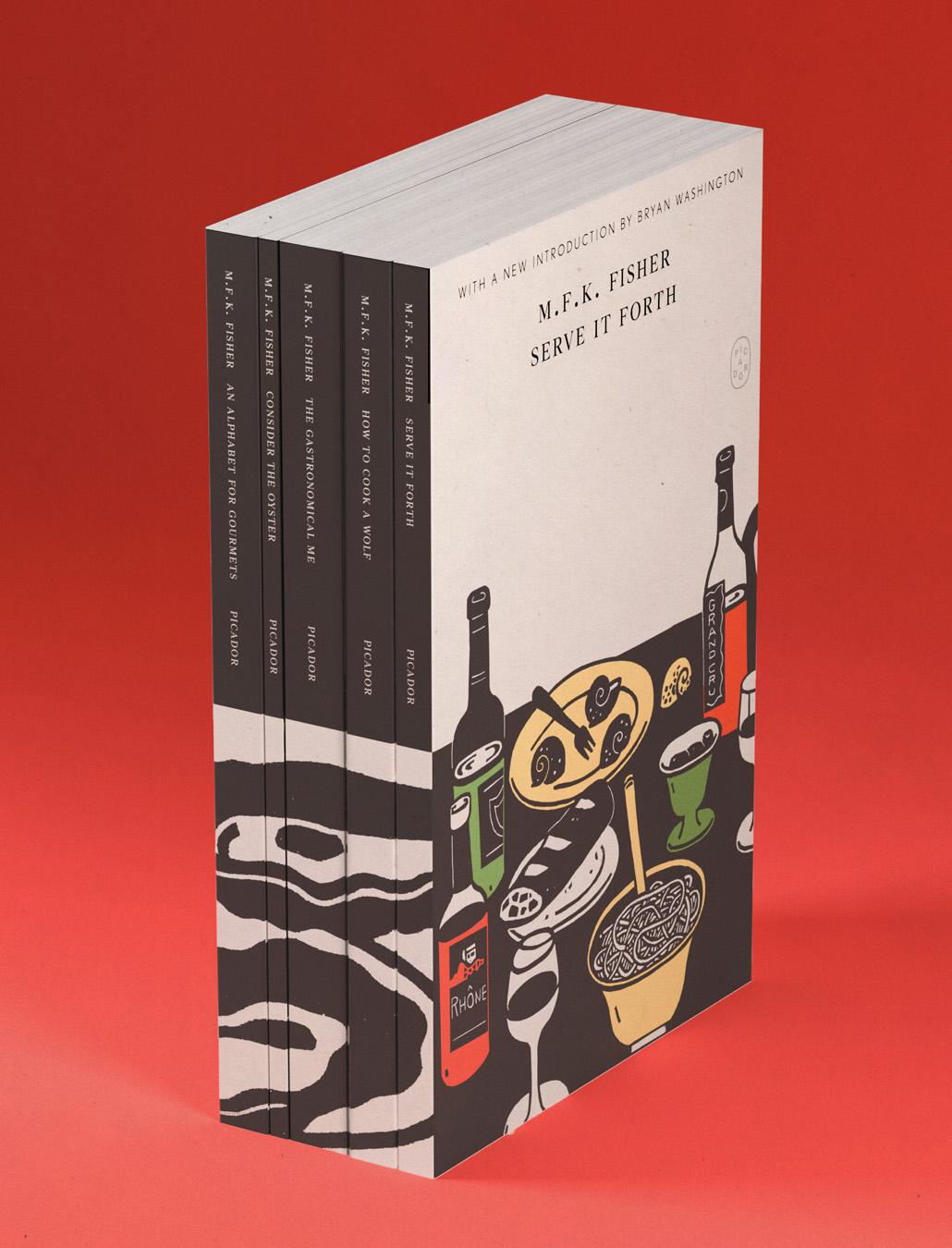
A set of four books illustrated with food and wine stand against a red background

Consider the author

What if snails were “tender-green shimmering things…piled in Dijon store windows in cool weather”? What if bread was not dipped but “sopped,” and “roughened tongues were made smooth” by ice cream? What if “one of the most private things in the world is an egg before it is broken”? Food writing is an art, and M. F. K. Fisher (1908–92) is an esteemed Old Master. She wrote as many books as there should be silky oysters on ice at any respectable hors d’oeuvres affair (dozens), and Picador has just reissued five of them (opens in new window), featuring new introductions by contemporary chefs and writers including Alison Roman, Ruby Tandoh, and Bryan Washington. It’s hard to resist purchasing the full set when, laid flat, the illustrated covers form a complete banquet.

Fisher’s love for the life that gathers around a dining table offers an antidote to the current mode of Big Pharma–aided austerity when it comes to feeding ourselves. And her lust for the delicacies of the English language might help us find our way back to the joys of drinking sherry or dining out alone. I’m taking Fisher at her word that “expensive little dinners” are “no more than a routine prescription for existence.” My Resy doesn’t know what’s coming…—Greta Rainbow