Collected

Three Haunted Art Picks for Halloween

What we’re obsessed with in craft and culture. This week, three recommendations for spooky season.

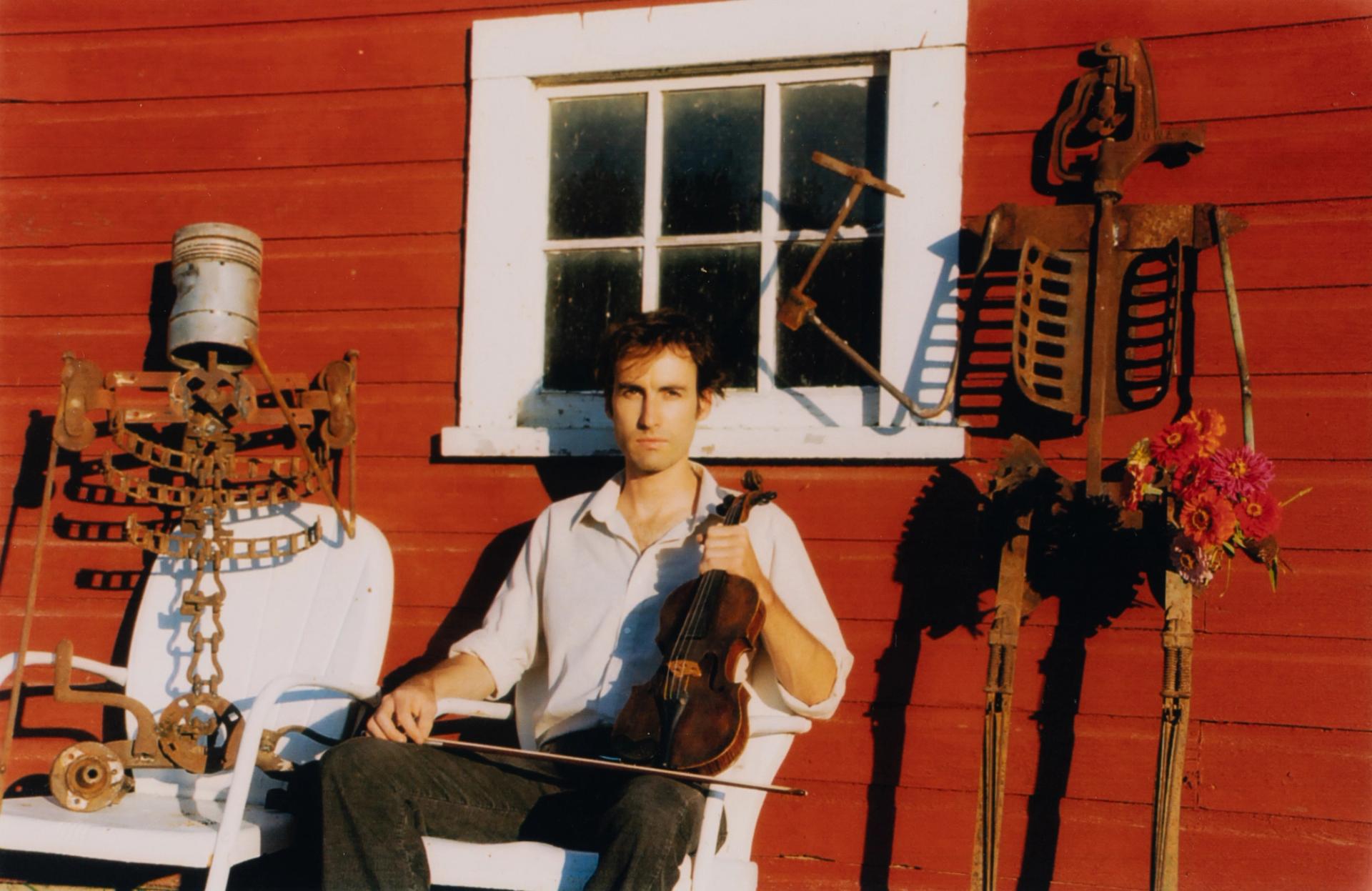
A white man with brown hair sits holding a violin between two metal skeleton sculptures.
Credit: Photograph by Andrea Troolin. Courtesy of Shore Fire Media.

A spirited song

Some ghost stories haunt through propagation, shape-shifting as they are told and retold. So it is with “Two Sisters,” a chilling 17th-century folk song with iterations that echo through time and space (there are 125 variants in Swedish alone). Across renditions, the story goes like this: One of the eponymous sisters ruthlessly drowns the other, but she can’t escape her crimes—when the dead girl washes ashore, a luthier crafts her bones and hair into an instrument that forever sings her story.

Experimental violinist Andrew Bird reworks “Two Sisters” (opens in new window) with an eerie simplicity, his lone vocals suspended precariously between two stark violin parts. One violin is bowed, the other plucked and strummed, creating a richly destabilizing sonic texture. Sometimes the instruments ring out in layers, sometimes they stand alone; in moments, it’s as if they are speaking to each other. Bird lilts and mutters by turn, at one point seeming to inhabit (or be inhabited by) the old fiddlemaker in a darkly comic interlude. You can never fully relax into Bird’s irregular vocal delivery or the strings’ discordant intervals—an aptly unsettling way to summon a specter who won’t let you forget her.—Mer Wade
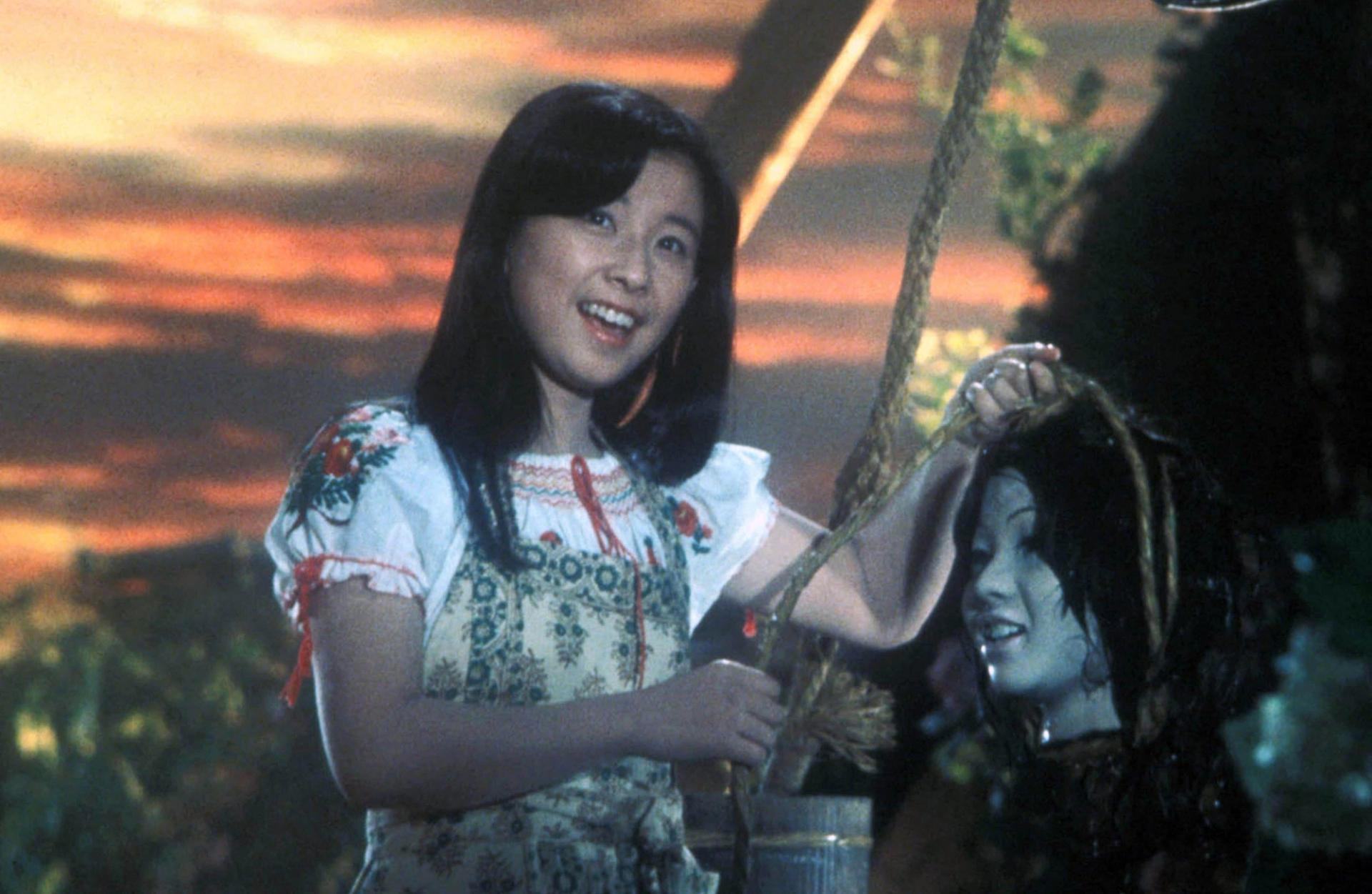
A young girl smiles while holding a smiling severed head outdoors.
Credit: Image via Alamy.

A history-haunted Japanese horror comedy

Halloween is the greatest American holiday. I love imagining the zany personalities of neighbors who ceremoniously shroud their homes in toilet paper and cobwebs and fog from a machine. I love the socialist undertones of giving candy to and receiving it from everyone you meet. I love homemade costumes and extravagant outfits and a chance to be someone new for a night. That being said, if a friend is screening a horror film that is even slightly realistic or gory or troubling, I will…still attend (pathological extrovert), but during the movie I will force myself to fall asleep.

There’s one horror movie I’ll make an exception for: Nobuhiko Obayashi’s House (1977). It’s Obayashi’s directorial debut—he had been making commercials before—and the main instruction he’d been given while working on it was to make “something like Jaws,” because studio executives thought a film similar to the American blockbuster hit could help revitalize a waning film industry in Japan. Obayashi asked his daughter for help brainstorming ideas, and her concept of “a house that eats girls” stuck.

House tells the story of a schoolgirl named Gorgeous and her six friends, who go to her aunt’s house in the country for the summer. From there, mayhem ensues as the house does, in fact, start eating them up. The film never feels scary, though, in large part because of the editing and visual aesthetic. Obayashi didn’t storyboard the film, choosing instead to come up with a shot list each day of the shoot, and there’s a sense of spontaneity and childlike wonder to the images. There’s also boundless creativity in the editing, which makes ample use of dramatic cross dissolves, split frames, double exposures, and tactile, zine-like cutouts. It all makes for a film that is surreal, campy, beautiful, and somehow funny.

The true horror of the film comes from the political context. Nobuhiko Obayashi is originally from Hiroshima, and most of his childhood friends died when the US dropped an atomic bomb on the city during World War II. The antagonist of the film, the aunt, is actually a woman haunted by the trauma of losing her husband to that war. And critics have described the disjointed, surreal style as a means of representing the randomness and absurdity of wartime violence. This is a film that surprises you over and over again—horror that makes you laugh, camp that makes you cry—and in this season of twisted facades and trick mirrors, it resonates.—Vrinda Jagota

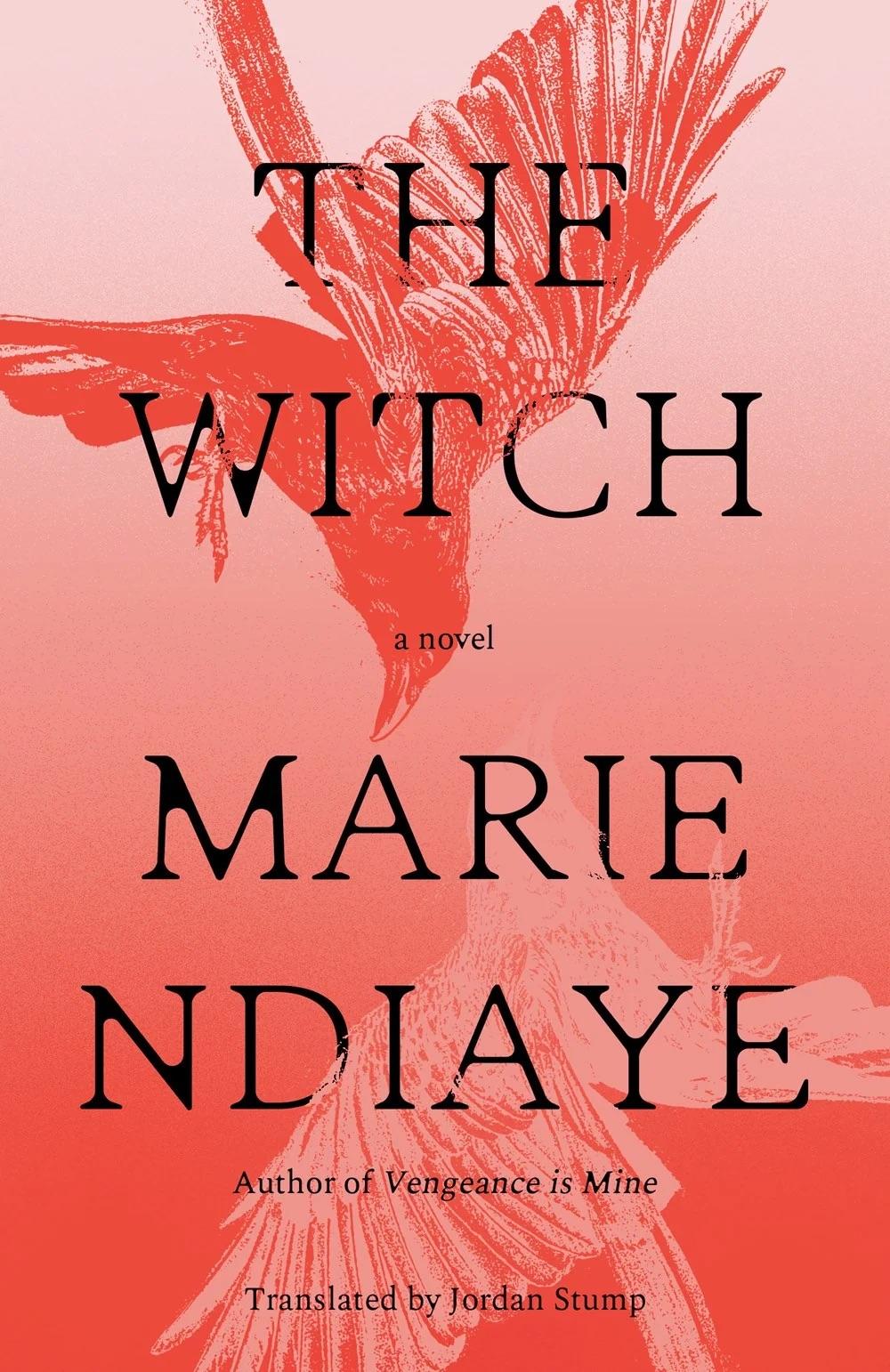
Book cover of The Witch by Maria NDiaye featuring two silhouetted red birds.

A bewitching new old novel

Marie NDiaye’s sixth novel opens with its narrator crying. Not saline tears, not tears of emotion, but bloody tears—a physical byproduct of the mysterious powers of divination with which she and the women in her family “have been endowed since time immemorial.” Every time Lucie peers into the future, she sheds sanguinary drops, which become a fitting symbol for the pain her gift causes as it opens numerous rifts in her life—particularly with the men in her family, whose fear of women’s power calcifies into contempt. Still, Lucie’s narration is cool and almost detached, adding to an engrossing sense of surreality as her world grows more bizarre by the page.

I was unfamiliar with NDiaye’s work until I read The Witch earlier this year, when it was shortlisted for the Booker International some 30 years after its original publication in France. (The new English translation is by Jordan Stump, whose translation of NDiaye’s Ladivine was longlisted for the Booker in 2016.) The novel’s supernatural charge makes it a perfect pick for spooky season; plus, at 130 pages, it’s easy to inhale over a single Halloweekend. But in truth it’s a book about patriarchy and the tenuousness of familial bonds—themes that resonate all year round, and across the decades.—Olivia Horn

Sign up for the newsletter