Collected

Three New Films We’re Obsessed With

What we’re obsessed with in craft and culture. This week, three new movies we can’t stop thinking about.

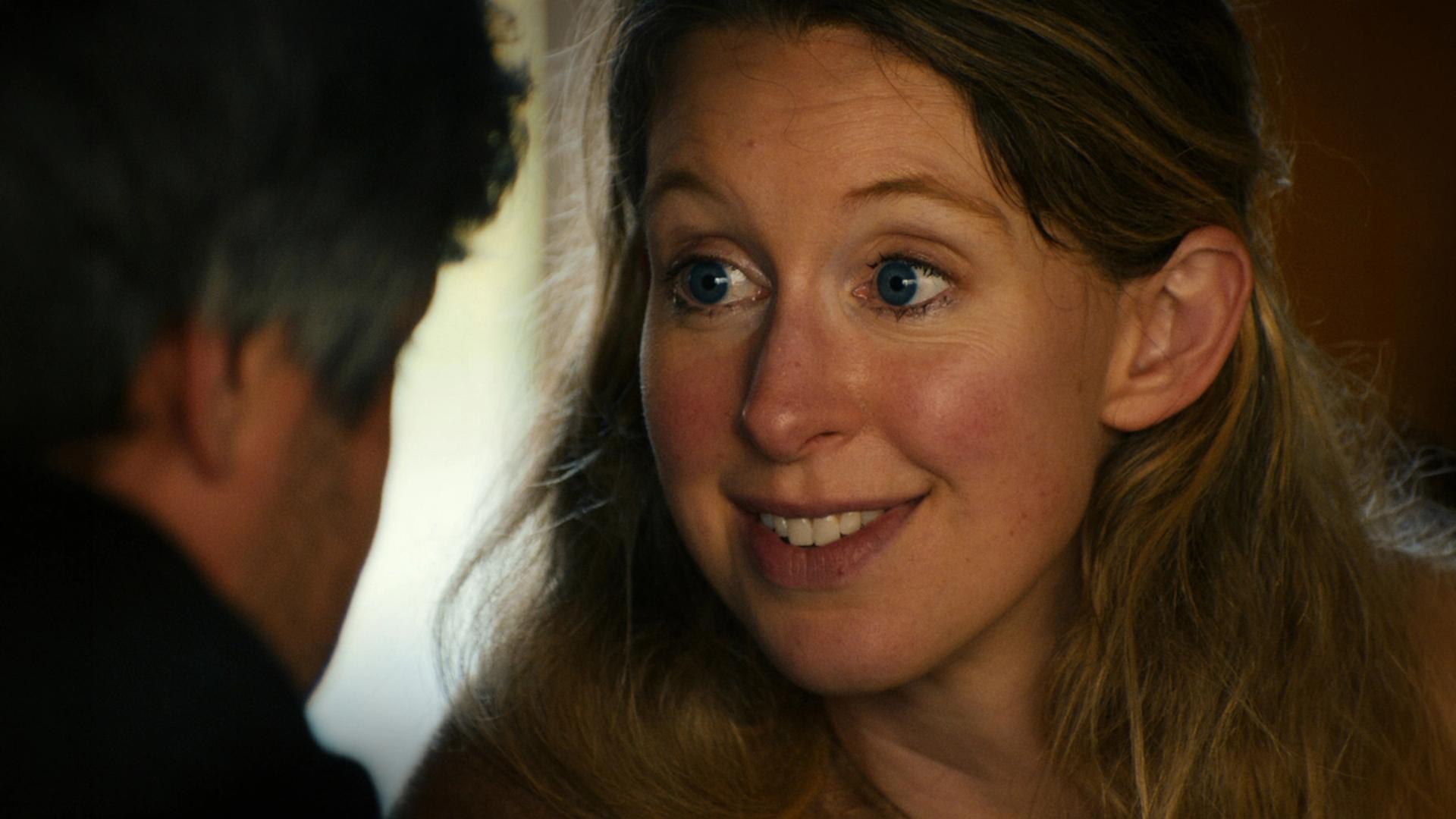
a wide-eyed, smiling woman with long reddish-brown hair looking at an out-of-focus person facing her in the foreground, warmly lit indoors
Credit: Courtesy of A24

“You Can See Everything”

While Lance Oppenheim and Nathan Fielder’s new movie may appear to be about Elizabeth Holmes, it’s actually about something much deeper: Can a documentary ever get to the objective truth, especially now, when so little feels certain?

The meaning of the word “documentary” has shifted significantly in recent years, alongside the rise of streaming platforms like Netflix and the corresponding boom in true crime “content.” Audiences want answers spoon-fed to them as they scroll on their phones mid-watch, and a now-standard formula delivers: talking heads, body-cam footage, and graphics that make boring documents look sleek. The documentary, once relegated to the drowsy precincts of public television and art-house theaters, has become a popular genre, more closely resembling prime-time TV fare like 20/20 than anything Frederic Wiseman ever made. So it makes sense that a film about Holmes, the disgraced founder of Theranos, would draw huge crowds to theaters. But Oppenheim and Fielder are up to something more compelling than quasi-journalism about Holmes’s crimes.

What makes You Can See Everything so beguiling is that it quite literally forces us, the audience, to question what we see at every turn. We think we’re here for answers—that we will finally learn what makes Holmes tick. But the second half, instead, proves we’ll likely never fully know, even after seeing everything. Members of the small crew turn up on camera now and then, a reminder that this movie, and the genre as a whole, is constructed. Every conversation happens in front of a handful of people, yes, but they have cameras in their hands and everyone in the room acknowledges that this will be seen by a wider audience. Even if you can see every tear that Holmes sheds, can you really be sure who it’s for?

Some will see the film as soft on Holmes. I think the filmmakers were focused on something else entirely. Oppenheim and Fielder question the truths we’ve been trained to accept without asking where they came from. Whether we’re scrolling TikTok or a streaming menu, more and more people are selling us “the truth,” and a lot of them are getting rich doing it.—Alyza Enriquez
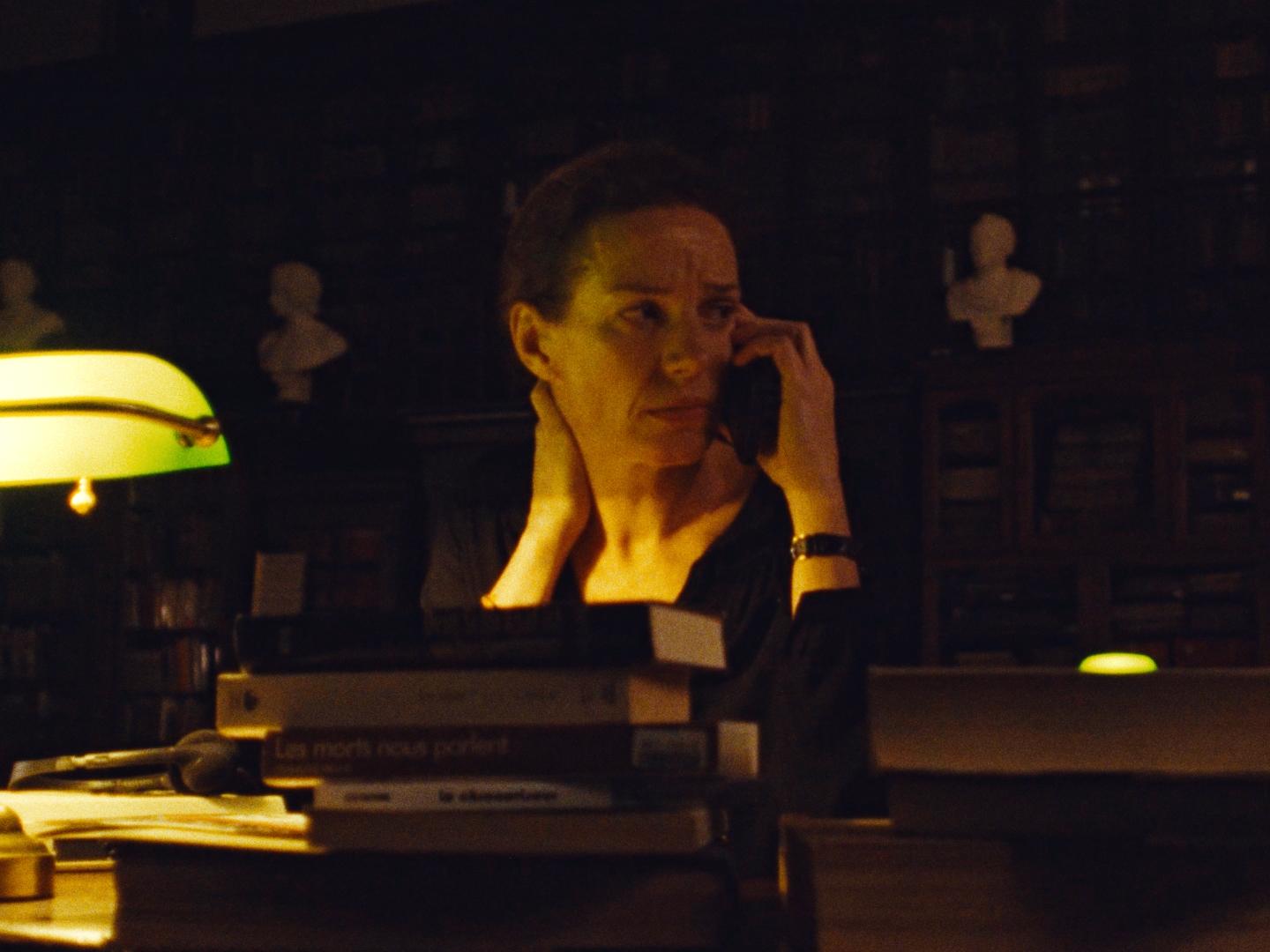
Dimly lit color film still of a woman on the phone in a wood-paneled library at night, lit by a green banker’s lamp
Credit: Courtesy of Grasshopper Film

“Chronovisor”

Chic polyglot academics are always at risk of stumbling upon potentially explosive secret histories buried by the Catholic Church. The latest such case is Columbia professor Beatrice Courte, the protagonist of Chronovisor, an alternately cozy and chilling microbudget thriller from the writer-director duo (and history dorks (opens in new window)) Jack Auen and Kevin Walker. Set primarily in libraries and offices around New York City and shot on grainy 16 mm film, the movie follows Courte’s growing obsession with a mysterious device called the “Chronovisor,” which was invented by a Benedictine monk in the mid-20th century and supposedly allows users to view any event in history, even the crucifixion of Jesus. Blending fact and fiction (a monk really did claim to invent such a device), the film derives its thrills from the research process itself. For much of its runtime, we simply watch Courte pore over archival texts for any trace of info about the Chronovisor, with Auen and Walker highlighting the relevant portions of text for the audience to read along. Played with steely unknowability by the real academic Anne-Laure Sellier, Courte is a talented enough investigator that we don’t stop to wonder until late in the movie why she’s so obsessed—we’re too busy bounding down the rabbit hole with her.—Chris Stanton

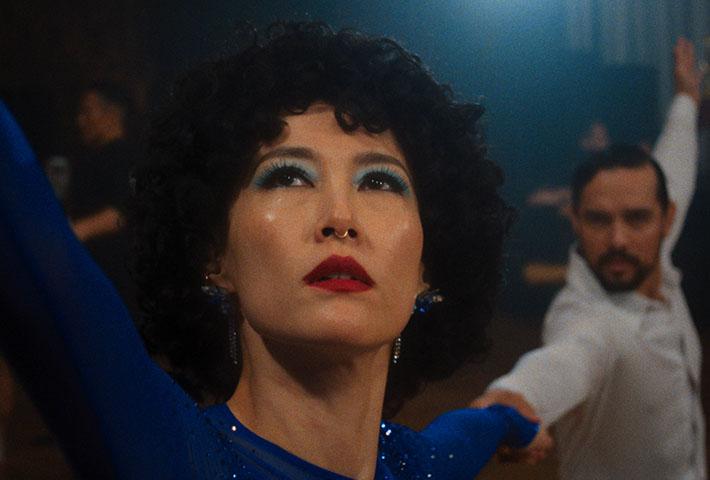
Color film still of a woman with curly dark hair, bold blue eyeshadow, and red lipstick in a sparkling blue dress, her arm raised mid-dance move, with a man in a white shirt striking a matching pose behind her
Credit: Courtesy of Sony Picture Classics

“Ha-Chan, Shake Your Booty!”

A wholly original take on grief: heartbreaking, hilarious, romantic, and visually stunning. This film is about clashing cultural philosophies and the winding path of healing after tragedy, all glimpsed through the lens of ballroom dance, including surreal choreographed sequences that feel like modern music videos. Rinko Kikuchi’s performance is one of the year’s standouts.—Rob Vargas

Join our community